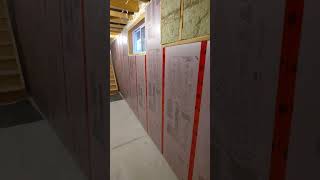
If you have been thinking about adding a basement apartment or a garden suite, you are not alone. The questions we get about second suites have roughly doubled this spring. The combination of high mortgage carrying costs, a tight rental market, and new provincial rules has pushed a lot of GTA homeowners to take a serious look at what is sitting under or behind their house.
Here is what actually matters when you start planning.
What the rules allow now
Ontario’s Bill 23 and the follow-on changes to the Planning Act removed a lot of the old barriers. Most single-family lots in the GTA can now legally add:
- One additional residential unit attached to the main house (basement suite, above-garage apartment)
- One additional detached unit (garden suite, laneway house where applicable in Toronto)
Toronto, Mississauga, Brampton, and most Durham and Halton municipalities have updated their zoning to align with the provincial rules. If you own a single-family detached in the GTA, you very likely have the right to add a suite. The question is what it costs and what it involves.
The three most common configurations we work with
Basement suite. The classic approach. Existing foundation, existing ceiling height (this is the variable that makes or breaks the project), separate entrance already there or easy to add. In a 1960s-80s bungalow or split-level, a full legal suite can run $60,000-$120,000 depending on whether you need to lower the floor for ceiling height and how much plumbing relocation is involved.
Above-garage apartment. More structural work, but you get separation from the main house that both tenants and homeowners tend to prefer. Typically requires a structural engineer sign-off, proper fire separation, and a code-compliant staircase. Range: $90,000-$180,000+.
Garden suite. A detached structure in the backyard. Toronto’s program is active and permits are moving, though not quickly. Garden suites make sense on larger lots. You are essentially building a small house. Budget $150,000-$300,000+ depending on size and utility connections.
The permits are not optional
This comes up constantly. Yes, second suites require building permits. Yes, the city will inspect. No, the “my neighbour did it without a permit” approach does not protect you. It creates problems when you sell, refinance, or file an insurance claim.
The good news is that Toronto’s permit system has improved. For details on what triggers a permit in your municipality, take a look at our GTA Renovation Permits guide which covers what requires a permit vs. what does not across the major GTA municipalities.
What makes a suite rent well vs. sit vacant
After working on a lot of these projects, the difference between a suite that rents quickly and one that struggles comes down to a short list:
- Separate entrance that does not go through the main unit (side or rear preferred over a shared lobby)
- Ceiling height above 7 feet – anything lower feels cramped and tenants notice immediately
- A real window in every room including the bedroom (egress window requirements are also a life-safety issue, not just a comfort one)
- In-suite laundry, or at minimum dedicated washer-dryer hookups
The finishes matter less than most people expect. Clean, functional, and well-lit with proper egress beats a granite-countered basement with 6 foot 6 inch ceilings every single time.
What the return looks like right now
A one-bedroom legal suite in the GTA is currently renting for $1,500-$2,000 per month in most 905 areas and $1,800-$2,400+ closer in or in Oakville and Burlington. On a $90,000 conversion, at net rental income around $1,400-$1,500 per month after expenses, the payback is roughly 5-7 years on a home you already own.
Worth knowing: the federal secondary suite refinancing program allows refinancing up to 90% LTV on a property with a legal suite, which changes the capital planning math considerably. Talk to your mortgage broker if you are trying to make the numbers work.
For a sense of current renovation costs across the board, our GTA Kitchen Renovation Costs in 2026 post has useful benchmarks for labour and finishes that apply to suite work as well.
Where to start the planning conversation
If you are in the early stages, three things worth checking before you call anyone:
- What is your basement ceiling height right now? Measure from unfinished floor to the underside of the floor joist above.
- Is there a separate entrance, or a logical spot on the side or rear of the house where one could go?
- What is your lot configuration? Is a garden suite on the table if the basement does not pencil out?
Post your answers here or drop some photos. Happy to give an honest read on whether a project makes sense before you spend money on a design consultation.
LF Builders has been doing second suite work in the GTA for decades. We have seen what works and what creates headaches down the road. Ask questions – that is what this community is for.
More from home.renovation.reviews
- Renovation services: lfbuilders.ca — 50+ years building across the GTA, 30,000+ completed projects.
- Renovation blog: blog.lfbuilders.ca — cost guides, contractor tips, and GTA renovation advice.
- Community spotlight: Samm Simon’s 251 km charity run — raising funds for cancer research on May 11, 2026. All support welcome.
- Related reading: home.renovation.reviews/c/canada/ontario — Ontario renovation discussions.
Related on home.renovation.reviews:
- Toronto Garden Suites: Is the Build Worth It in 2026?
- GTA Condo Owners Are Renovating Instead of Selling
LF Builders has been renovating GTA homes for over 50 years. LF Builders also supports Samm Simon’s 251 km run for cancer research — raising funds one kilometre at a time.
More from LF Builders: Renovation guides and project advice on the LF Builders blog.