If you’re planning a renovation this spring, one of the first questions that comes up is: do I need a permit for this?
It’s not a stupid question. The rules are confusing, vary by municipality, and the cost of getting it wrong — fines, work orders, problems when you sell — is real. Here’s how we explain it to clients after 50+ years of working in the GTA.
The short version
In Ontario, you need a building permit when you’re doing structural work, changing the occupancy of a space, adding or relocating plumbing, or making electrical changes beyond simple fixture swaps. You do NOT need a permit for most cosmetic work: painting, flooring, cabinet replacements, trim.
What almost always requires a permit
- Basement finishing: if you’re adding a bathroom, bedroom, or creating a secondary suite, you need a permit. No exceptions in Ontario.
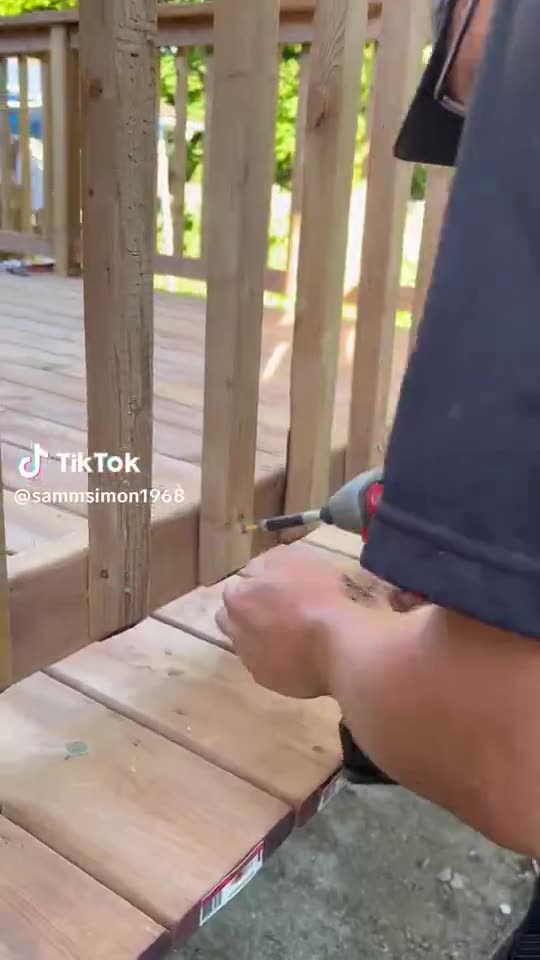
- Decks over 24 inches from the ground. This catches people off guard every summer.
- Any structural changes: removing a load-bearing wall, adding a dormer, building an addition.
- Plumbing changes: moving a sink, adding a bathroom, rough-in work for a wet bar.
- Garage conversions to living space.
- New windows or doors where you’re changing the opening size (not just swapping like-for-like).
What usually doesn’t require a permit
- Replacing flooring, tile, or carpeting.
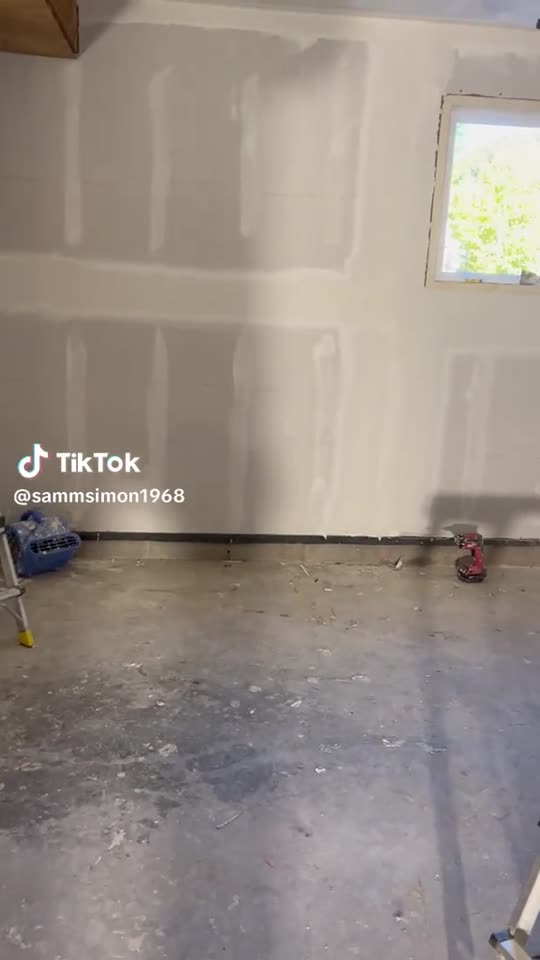
- Painting or drywalling without structural changes.
- Replacing kitchen cabinets or countertops in the same layout.
- Replacing a roof covering (not the sheathing underneath).
- Replacing a furnace or water heater like-for-like.
- Simple electrical: swapping fixtures, adding outlets on existing circuits (separate from the ESA certificate required for some electrical work).
Why skipping the permit is a bad idea
We’ve seen this play out dozens of times. Homeowners skip the permit to save time or money, the work gets done, everything looks great, and then years later when they’re selling, the buyer’s inspector flags unpermitted work. Now they either have to retroactively permit it (which means opening walls for inspections and paying current fees) or disclose it to the buyer (which lowers the offer price).
Some lenders and home insurance policies also have clauses around unpermitted structural changes. It is a real financial risk, not just a bureaucratic one.
The permit process in the GTA
Most Toronto residential permit applications go through the City of Toronto’s online portal. Wait times for straightforward projects have improved but still run four to ten weeks depending on complexity. Mississauga, Brampton, Markham, and other 905 municipalities each run their own portals with their own timelines, so a project in Scarborough and a project in Brampton can have very different lead times even if they’re similar in scope.
If you’re working with a licensed contractor, they typically pull the permit and it’s included in the quote, listed separately. If you’re hiring individual trades, make sure it’s clear in writing who is responsible for the permit application. The permit is tied to the job site and the work, not the contractor, so you as the homeowner are ultimately on the hook if it’s missing.
The rule of thumb we use after 50 years
If the work changes the structure, the building envelope (what keeps weather out), the occupancy classification, or the mechanical systems in a meaningful way, get the permit. If it’s cosmetic, probably not. When in doubt, call your local municipality’s building department before starting. A five-minute call can save years of headaches.
If you’ve recently navigated the permit process in the GTA, or bought a property and discovered unpermitted work afterward, share your experience below. These are the conversations that actually help homeowners make better decisions.
For more on renovation planning in Ontario, check the Most Commonly Asked Questions thread, or browse recent discussions in the Ontario category.
More from home.renovation.reviews
- Renovation services: lfbuilders.ca — 50+ years building across the GTA, 30,000+ completed projects.
- Renovation blog: blog.lfbuilders.ca — cost guides, contractor tips, and GTA renovation advice.
- Community spotlight: Samm Simon’s 251 km charity run — raising funds for cancer research on May 11, 2026. All support welcome.
- Related reading: home.renovation.reviews/c/canada/ontario — Ontario renovation discussions.