Every spring in the GTA, the same thing happens. The snow melts, the ground thaws, and homeowners finally see what winter left behind.
Frost heave that cracked the interlock. A basement wall that is weeping where it was not before. Eavestrough joints that shifted under ice load. Deck boards that took on water and are starting to lift.
The temptation is to call a contractor the moment you spot something. But spending 30 minutes doing a proper walk-around first can save you real money. It helps you describe the job accurately, compare quotes on the same scope, and avoid being surprised mid-project when the crew finds things you missed.
Here is what we check every spring before booking anything.
1. Foundation walls and basement floor
Walk your basement perimeter. Look for new cracks (especially horizontal cracks in block foundations — those are structural and need professional attention right away), efflorescence (white mineral deposits that signal water migration), and any new dampness along the base of walls or at the floor-to-wall joint. Winter freeze-thaw cycles stress foundations harder than any other season in Ontario.
2. Eavestrough and downspouts
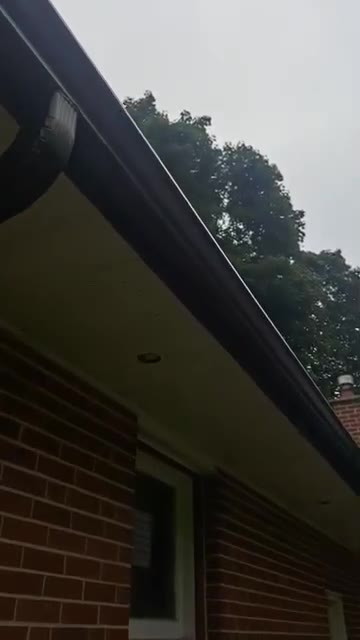
Get up on a ladder or use binoculars. Check that eavestrough joints have not pulled apart, that gutters are not sagging, and that downspouts discharge at least 6 feet from the foundation. Poor drainage is the number one cause of wet basements and interlock settling in the GTA.
3. Grading and surface drainage
Walk the perimeter of your home during or right after a rain. Water should be moving away from the foundation on all sides. Negative grading — where the soil slopes toward the house — is common in Toronto’s older neighbourhoods and after years of settling. Even a 4–6 inch regrading job can eliminate recurring water issues.
4. Interlock, concrete, and walkways
Look for sunken sections, cracked pavers, and areas where sand has washed out from the joints. Frost heave in Ontario is real — a 20mm differential between adjacent pavers is a trip hazard and a drainage problem. Address it before it widens.
5. Deck and fence condition
Check every ledger board connection (where the deck meets the house — this is where rot starts when flashing was not done properly). Look for soft spots underfoot, any posts that have shifted, and railing connections. Fences take a beating from ground frost — check post bases for heave and lean.
6. Roof and attic
You do not need to get on the roof. From the ground, check for missing or lifted shingles, damaged flashing around chimneys and dormers, and any granule loss in the eavestrough. Inside, a quick attic check for any new moisture staining on the sheathing is worth 5 minutes.
7. Windows and exterior doors
Run your hand along interior window frames looking for moisture or condensation damage. Check exterior caulking — any cracks or gaps should be addressed before heavy spring rain. Exterior door weatherstripping takes a season or two of freeze-thaw before it starts failing.
8. Driveway and garage floor
Asphalt driveways often show new cracking after winter. Seal-coat any hairline cracks before water gets in and accelerates the damage. Check the garage floor slab for new heaving — sometimes the first sign of a drainage problem around the foundation shows up here first.
What to do with what you find
Prioritize anything structural or water-related. A cracked block foundation wall or active basement water infiltration needs a professional assessment before anything cosmetic gets booked. For everything else, photograph what you find and use those photos when getting contractor quotes — it keeps everyone working from the same baseline.
More from home.renovation.reviews
- Related: How to Vet a Renovation Contractor: Complete Checklist for GTA Homeowners
- Related: Complete 2026 Renovation Cost Guide for Toronto & GTA Homeowners
- LF Builders — 50 years of GTA renovation: lfbuilders.ca
- In-depth guides: blog.lfbuilders.ca
- Community cause: Samm Simon is running 251 km for cancer research — sammsimon.ca