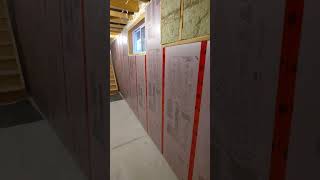
Generation Z, born between 1997 and 2012, is shaking up the housing market by snapping up run-down homes with enthusiasm. Despite high home prices and economic hurdles, these young buyers are targeting fixer-uppers for strategic reasons that reflect their pragmatism and vision. Here’s why Gen Z is deliberately choosing properties in need of TLC.
- Affordability in a Tough Market
With median home prices hovering around $420,000, affordability is a major barrier for Gen Z, whose average income in their early 20s is just over $38,000. Fixer-uppers offer a lower entry point, often priced well below market rates. In areas like Lima, Ohio ($212,500 median price) or Cumberland, Maryland ($158,000), these homes are budget-friendly options for first-time buyers. Over half of Gen Zers surveyed by the National Association of Realtors in 2024 said they’d buy a fixer-upper to save money, prioritizing cost over condition.
- Building Equity Through Sweat
Gen Z sees run-down homes as opportunities to build wealth. By investing in renovations, they can increase a property’s value, creating equity they can leverage later. Many are inspired by social media trends, like house-flipping TikToks, which showcase dramatic transformations. About 20% of Gen Z buyers purchased foreclosed or distressed properties in 2024, banking on their potential for appreciation after upgrades. This hands-on approach appeals to a generation eager to personalize their space while sidestepping inflated move-in-ready home prices.
- Creative Financing and Resourcefulness
To afford these projects, Gen Z employs creative strategies. One in three worked multiple jobs to fund down payments, while others use FHA loans requiring as little as 3.5% down. Some tap family support 21% of Gen Z buyers in 2025 expected a family loan or gift for their down payment. Co-buying with friends or siblings is also gaining traction, with 22% of Gen Z homeowners purchasing alongside family. These unconventional methods make fixer-uppers attainable despite financial constraints.
- Embracing Sustainability and Flexibility
Gen Z’s focus on sustainability drives their interest in older homes, which they can retrofit with energy-efficient systems like solar panels or smart thermostats. They also value flexibility, viewing these homes as stepping stones rather than “forever homes.” Remote work allows them to target affordable, often rural, areas where fixer-uppers are plentiful, avoiding pricey urban markets.
- Risks and Rewards
Buying run-down homes isn’t without risks. Unexpected repair costs, like a $10,000 roof replacement after a Midwest hailstorm, can strain budgets. Rising insurance costs in climate-vulnerable areas add another layer of concern. Yet, Gen Z’s willingness to take on these challenges reflects their resilience and long-term thinking.
Insight
By choosing run-down homes, Gen Z is redefining homeownership. They’re not just buying houses they’re investing in potential, proving that a fixer-upper can be a smart step toward financial independence.