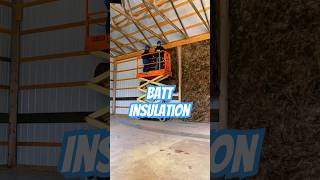
Roofs are critical for protecting buildings from rain, sun, and extreme weather. Improving roof insulation and weatherproofing helps maintain indoor comfort, reduce energy costs, and extend the life of the building. Properly upgraded roofs prevent leaks and temperature fluctuations.
One important aspect is thermal insulation. Insulating the roof reduces heat transfer, keeping interiors cooler in hot weather and warmer in cold weather. Materials such as foam boards, fiberglass, and reflective coatings help regulate temperature efficiently.
Weatherproofing and leak prevention are also essential. Damaged tiles, metal sheets, or cracks can allow water to seep inside, causing structural damage. Repairing roofs, sealing gaps, and applying waterproof coatings prevent leaks and protect ceilings, walls, and interiors.
Another key factor is ventilation and moisture control. Roof vents, ridge vents, and attic fans improve airflow, preventing condensation and mold growth. Proper ventilation extends the life of roofing materials and keeps indoor air healthy.
Maintenance and durability should not be overlooked. Regular inspection for damaged shingles, rusted metal sheets, or weakened structures ensures early repair before major problems arise. Using durable materials improves long-term performance and reduces repair costs.
In conclusion, roof insulation and weatherproofing improve comfort, safety, and durability. Well-planned upgrades protect the building from weather damage and enhance energy efficiency.