Spray polyurea and liquid-applied waterproofing membranes are high-performance systems for Ontario flat roofs, balconies, parking decks, and foundations. This guide covers material types, applications, and 2026 GTA cost ranges.
Material Types
Spray polyurea: Two-component, sets in seconds, 300-400% elongation, excellent crack bridging. Requires heated plural-component spray equipment — specialist application only. Cost: $8-$18/sq ft installed.
Liquid-applied polyurethane membrane: One or two component, 24-72 hour cure. Standard for pedestrian traffic-bearing surfaces (balconies, walkways). Good flexibility and UV resistance. Cost: $6-$14/sq ft.
Elastomeric acrylic/silicone coating: Brush or spray over sound existing substrate. Reflective, UV-resistant, 200-400% elongation. Not standalone waterproofing — substrate must be sound. Cost: $2-$5/sq ft.
Ontario Applications
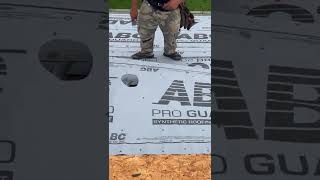
Flat/low-slope roofs: Polyurea and polyurethane used for new and remedial flat roofing. Seamless systems excel at complex penetrations, drains, curbs.
Parkade decks: High traffic, vehicular loading, de-icing salt exposure. Polyurea with aggregate broadcast is dominant for vehicular-rated surfaces. Cost: $10-$20/sq ft.
Balcony waterproofing (pedestrian): Liquid polyurethane traffic-bearing membrane, two-coat with aggregate broadcast for slip resistance. OBC requires 1:50 minimum slope to drain — verify before application.
Foundation exterior: Spray polyurea over prepared foundation before backfill. Cost: $4-$8/sq ft as part of excavation project.
Related guides on home.renovation.reviews
If you are scoping a waterproofing project this spring, these companion threads cover the adjacent decisions homeowners ask about most often:
- Wet Basement This Spring? What GTA Homeowners Should Do First - the diagnosis-first checklist before you commit to any membrane system.
- Toronto Basement Flood Subsidy Jumps to $6,650 on May 1 - the City of Toronto rebate that may offset a meaningful share of foundation waterproofing costs.
- Ontario Lally Column and Basement Beam Guide 2026 - structural side of basement work that often gets bundled with waterproofing.
- Spring Eavestrough Check in Toronto: What to Inspect Now - surface drainage is the upstream fix; membranes are the downstream insurance.
- Most Commonly Asked Questions - new to the forum? Start here for the homeowner FAQ.
Working on a flat roof, balcony, or foundation membrane project this spring? Reply with photos and the substrate type and we will weigh in on which of these systems actually fits your situation.
Full guide: Ontario Spray Polyurea and Elastomeric Coating Guide 2026 - Roofs, Decks and Foundations – Telegraph