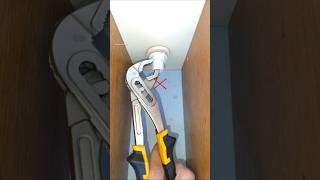
A backwater valve is the single most cost-effective piece of basement flood protection most GTA homeowners can install — and starting May 1, 2026, the City of Toronto subsidy will reimburse up to $1,600 per device, with up to two devices eligible per property under the expanded $6,650 program cap. We have already covered the pre-storm 4-check homeowner walkthrough and the step-by-step subsidy filing guide. This thread covers the part homeowners ask about most often after they have decided to move forward: what to actually spec, what an honest GTA install costs in spring 2026, and the small details that separate a quiet 30-year valve from a callback every other thunderstorm.
When a backwater valve is the right call
A backwater valve (also called a sewer backflow valve or mainline backflow preventer) is a one-way check valve installed on your home’s sanitary sewer lateral. When the municipal sewer surcharges during a heavy storm — which happens routinely in older Toronto neighbourhoods served by combined sewers — the valve closes and prevents municipal sewage from flowing backward up your lateral into your basement.
It is the right call if any of the following are true: your basement has flooded once and the source was a floor drain, basement toilet, or basement sink rather than a foundation crack or a window well; you live in a pre-1970s neighbourhood with combined sewers (Annex, Riverdale, Cabbagetown, urban core); or the home has a finished basement that you want to insure against loss. It is not the right call as a sole solution if your flooding has come from foundation cracks, weeping-tile failure, or surface water — those are sump pump, downspout disconnection, and exterior waterproofing problems, not lateral backflow problems.
The honest answer for most older Toronto homes is that the right protection package is a backwater valve plus a sump pump plus disconnected downspouts — not any one of them alone. The May 1 subsidy is structured around exactly that bundle for a reason.
Backwater valve types and what to spec
There are three general designs that show up on GTA quotes, and they are not equivalent.
A mainline normally-open valve sits open during normal flow and only closes when the sewer surcharges. This is the default install on most GTA retrofits and is what the City of Toronto subsidy is written around. It allows full plumbing capacity during normal operation and is the most reliable long-term design for a single-family home with a single sewer connection.
A mainline normally-closed valve closes between flows. It provides slightly stronger backflow protection but introduces a real risk of fixture-discharge backup if the gate fails to fully open under load — a problem that is hard to diagnose until something starts gurgling. We rarely recommend normally-closed for residential retrofits. It can make sense for commercial properties with long stretches between drain events, but for a house where someone runs a shower and a dishwasher in the same hour, normally-open is the safer spec.
A branch backwater valve sits on a single fixture branch (typically a basement floor drain or a basement bathroom group) rather than the full house lateral. Branch valves are smaller, cheaper, and easier to retrofit when the mainline lateral is hard to access — but they only protect the fixtures downstream of the valve. If you have a basement bathroom and a basement floor drain on different branches, you need either two branch valves or a single mainline valve, and the math usually favors the mainline.
Sizing is mostly automatic — most GTA homes have a 4-inch lateral and take a 4-inch valve. Some semis and laneway-suite-converted homes have 6-inch laterals and need a 6-inch valve. A reputable installer confirms lateral size with a CCTV scope before quoting; if your quote does not mention lateral size or sewer-camera inspection, that is a red flag worth pushing back on.
Real GTA spring 2026 install costs
Honest spring 2026 GTA pricing for a mainline normally-open backwater valve install on a typical pre-1980s detached or semi-detached:
- Standard slab-cut interior install (4-inch valve, concrete cut and patch, basement floor location): $1,800 to $3,200, with most jobs landing near $2,400. This is the most common configuration on the City subsidy.
- Exterior pit install (valve in a buried access pit near the property-line cleanout): $2,800 to $4,500. More common when the basement slab is already finished and the homeowner wants to avoid a slab cut.
- Branch backwater valve on a single floor drain (no slab cut required): $700 to $1,400. Usually the right answer only when a mainline install is genuinely impractical.
The arithmetic that explains the spread is straightforward: on a finished-basement retrofit, the saw-cut, dig, and patch labour is 60% to 70% of the invoice. The valve itself is a few hundred dollars. The city permit is a hundred and change. The labour to open and reinstate the slab is the line item that moves.
Quotes under $1,500 for an interior mainline install almost always reflect one of three things: a no-permit install (the City requires a plumbing permit), a budget valve from a brand without long-term GTA service support, or a “no inspection” arrangement that will fail the subsidy paperwork.
The 80%-of-invoice / $1,600-cap subsidy means a $2,000 standard install costs the homeowner $400 net of subsidy. A $3,200 install (full mainline with cleanup of a partially-finished basement) costs $1,600 net. Either way, this is among the cheapest insurance dollar-per-dollar a GTA homeowner can buy.
Permit, inspection, and what gets reimbursed
The City of Toronto requires a plumbing permit for any backwater valve install. The permit is typically $120 to $220 depending on scope and is pulled by the licensed plumber, not the homeowner. The City inspects the rough-in before the slab is patched on interior installs, or before the pit is backfilled on exterior installs. The inspector signs off on valve type, location, accessibility for future maintenance, and proper venting of the lateral.
The subsidy reimburses 80% of the invoiced cost up to $1,600 per device, with up to two devices per property. To qualify, the work must be performed by a licensed plumber, the device must meet CSA standards, the permit must be closed with an approved final inspection, and the application must be filed within one year of completion (work completed before Nov 12, 2025) or two years (work completed on or after Nov 12, 2025) per the filing guide.
The most common subsidy rejection cause in this category is the missing or unclosed permit. The second most common is a non-itemized invoice that bundles backwater valve work into a larger plumbing job — the City wants the BWV line item separated with a discrete cost so it can apply the 80%/$1,600 calculation cleanly.
Common install pitfalls and red flags
Four issues come up enough that they are worth checking on every quote.
The first is access for future maintenance. A backwater valve has a flap and a clear plastic body that needs annual visual inspection and a thorough clean every 3 to 5 years. If the valve is buried under finished flooring with no access cover, you will be cutting drywall every time it needs service. The install needs an access cover flush with the finished slab — and the cover needs to be on the valve, not three feet away on a different cleanout.
The second is sloppy concrete patching. The slab cut is usually 24 by 24 inches around the valve. A proper patch is rebar-tied to the existing slab, finished flush with the surrounding floor, and cured before any flooring goes back. Cheap quotes sometimes deliver a patch that is half an inch proud of the slab or noticeably dished — both of those will telegraph through any future floor finish.
The third is venting. A backwater valve disrupts the natural air balance of the lateral if the existing plumbing relies on the lateral itself for venting (common in older homes with simple vent stacks). The plumber may need to add an air admittance valve or an additional vent. If your installer says nothing about venting, ask. Without correct venting you can get gurgling fixtures or slow drains for the life of the valve.
The fourth is the budget-valve substitution. The major brands sold in the GTA — Mainline Backflow, Liberty, Zoeller, Mifab — all carry serviceable parts and 5-to-10-year warranties on the body. Imported off-brand valves sometimes show up on cheap quotes and run into parts-availability problems by year 8. Ask which valve brand and model number is in the quote, and check that parts are available locally.
How this connects to sump pump and downspout work
The subsidy treats backwater valve, sump pump (with battery backup as a separate line item), and pipe-severance for foundation drains as four overlapping tools that work as a system. A backwater valve protects against sewer surcharge. A sump pump protects against weeping-tile failure and groundwater. Disconnected downspouts reduce the volume of stormwater hitting the lateral in the first place. Pipe severance protects against the worst case of cracked foundation drains feeding directly into the sanitary sewer.
If you are pulling a permit and bringing a plumber on-site for backwater valve work and your sump pump is more than 7 years old, it is worth quoting both at once. The marginal cost of adding a sump pump replacement to an active basement plumbing job is materially lower than calling a separate trade later. The same applies to a $300 battery backup retrofit, which is a new line item under the May 1 expanded program.
Bottom line
A backwater valve is the highest-leverage item on a GTA basement flood protection list. Spring 2026 retrofit costs land between $1,800 and $2,800 for a standard 4-inch mainline interior install on a typical Toronto-area home. The City of Toronto subsidy reimburses 80% up to $1,600 per device, which means a homeowner net cost of $200 to $1,200 on most installs after the rebate clears. The May 1 deadline for the expanded program is firm. The work has to be done by a licensed plumber, with a closed permit and a final inspection, on a CSA-listed device.
If the May 1 subsidy expansion is the reason you are looking at this work this spring, do not let the deadline rush you into a no-permit quote. The non-permit savings are smaller than the subsidy you forfeit, and an unpermitted install does not survive a future home sale or insurance claim. Get the permit pulled, get the inspector through, and the subsidy paperwork is straightforward.
More from home.renovation.reviews
- LF Builders — Toronto’s 50-year home renovation specialist — answers basement flood protection questions here. Get a quote for backwater valve, sump pump, and waterproofing work across the GTA.
- Samm Simon is running 251 km to raise money for cancer research. Support the campaign at sammsimon.ca.
- Related: Toronto flood subsidy filing guide | 4-check homeowner walkthrough | LF Builders blog
—
Track $RENO earnings on this topic — top contributors at the homeowner-and-trades intersection are tier-up candidates. Helpful posts about your own GTA backwater valve install (especially with photos of the slab cut and access cover) earn $RENO. Link a Solana wallet on signup so you can claim your earnings when on-chain settlement opens. See Welcome to $RENO — Quests, Rewards, Leaderboard.