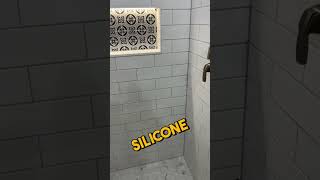
Bathroom renovation mistakes cost Toronto homeowners thousands. After fifty years of GTA trade work, these are the five I see most often — and how to avoid each of them before you spend.
1. Skipping proper waterproofing
This is the big one. Cutting corners on membrane and sealing behind the shower might save $500 upfront, but water damage behind walls can easily cost $10,000–$30,000 to fix down the road. We have torn out tile work that was only three years old because a builder-grade painter’s tape was used instead of a proper waterproofing membrane.
The standard we use: sheet membrane or liquid-applied membrane on all shower walls from the base up, with fabric tape at corners and transitions, back-buttered tiles throughout. Do not let anyone skip this step.
2. Not planning for enough electrical outlets
People forget about heated mirrors, electric toothbrushes, hair dryers, and towel warmers. Plan your outlet placement before the drywall goes up. Adding outlets after the fact means opening walls again — which in a tiled bathroom means tearing out work. Every outlet in a bathroom must be GFCI protected per Ontario Building Code.
Two outlets flanking the vanity mirror is the minimum. If you are building a double vanity or a larger primary bathroom, plan for a dedicated outlet on each side plus a separate circuit for any heated towel bar or floor mat.
3. Choosing tile before fixing the subfloor
Beautiful large-format tiles will crack if your subfloor has flex in it. We check this every single time: stand in the centre of the bathroom floor and watch the perimeter — any visible flex means the subfloor needs reinforcement before tile goes down. A good tile installer will tell you this upfront. A bad one will not — and you will be back in six months with cracked grout and lippage.
Concrete backerboard or an uncoupling membrane like Schluter Ditra eliminates flex and provides the decoupling layer that keeps large-format tile intact.
4. Undersizing the exhaust fan
A weak bathroom fan leads to moisture buildup, mold, and peeling paint. Match your fan’s CFM rating to your bathroom’s square footage — the rule of thumb is 1 CFM per square foot of floor space, with a minimum of 50 CFM. For anything over 100 sq ft, or for a bathroom with a shower and a soaker tub, go higher: 110–130 CFM minimum.
Also critical: vent the fan outside the building envelope, not into the attic. Every year we see attic moisture damage caused by bathroom fans that terminate into the attic instead of through the soffit or roof.
5. Going with the cheapest fixtures
Budget faucets and shower valves look fine on day one but tend to drip, corrode, or break within a couple of years. Mid-range brands like Moen, Delta, or Grohe provide a meaningful step up in longevity and come with warranties that are actually honoured. The difference between a builder-grade valve and a quality single-handle pressure-balancing valve is about $200 — and the quality valve will not fail mid-shower and scald someone.
The same principle applies to toilets and vanity hardware. Budget an extra $300–$500 on fixtures over the cheapest option and it will pay back in decades of trouble-free service.
The common thread
Most bathroom renovation mistakes come down to cutting corners on the things you cannot see once the tile is on. Plan properly, use the right materials, and hire a contractor who can explain the waterproofing and substrate process step by step.
More from home.renovation.reviews
- Related: Wellness Bathrooms in 2026: What GTA Homeowners Are Actually Building
- Related: Bathroom Renos in 2026: What GTA Homeowners Should Know
- LF Builders — 50+ years, 30,000+ GTA projects: lfbuilders.ca
- In-depth guides: blog.lfbuilders.ca
- Community cause: Samm Simon is running 251 km for cancer research — sammsimon.ca