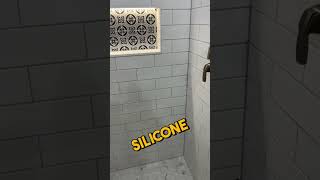
A 2026 guide to GTA bathroom renovations: real cost ranges ($15K-$35K+), the layout decisions that drive price, and the ventilation mistake that ends most renos within two years.
Bathrooms are the most requested renovation category we see right now across Toronto, Newmarket, Richmond Hill, Kitchener, and Waterloo. More homeowners are asking about them than kitchens, more than basements, and more than exterior work. That tells you something about where the market is.
But a lot of the content floating around online about bathroom renovations – design guides, Pinterest boards, influencer walkthroughs – describes bathrooms that exist in large detached houses with generous footprints. Most GTA homes are semis, rows, or older detached houses with bathrooms that were built in an era when “enough room to stand” was the design brief. The gap between what looks good on screen and what actually works in your house is usually significant.
Here is what I keep coming back to after 50 years of renovation work across this region.
The layout question matters more than the fixtures question
Most homeowners start a bathroom conversation with “I want new tile and a new vanity.” That is fine. But the question that will determine whether the renovation actually improves your daily life is whether the layout makes sense. Where is the door? Where does it swing? Is the toilet in a position that feels exposed or private? Is there room to step out of the shower without hitting something? These are the things that bother you every day, and new tile does not fix them.
If the layout is wrong, fix the layout first. If the drain needs to move, that cost is worth knowing before you commit to a fixture plan.
The ventilation problem is underestimated
Toronto bathroom renovations fail prematurely more often because of moisture than because of anything else. Tile grout cracks. Paint peels. The ceiling starts to look wrong within two years. In almost every case, the exhaust fan was undersized, improperly ducted, or positioned in a way that does not actually pull air from where the moisture is generated.
Building code minimum ventilation is not enough for a shower that gets daily use. Spec a fan rated for your actual square footage, make sure it ducts to the exterior (not the attic), and install it directly above or as close as possible to the shower or tub.
On costs in 2026
Material costs are running higher than they were two years ago. Framing lumber is up roughly 5% this quarter and structural components have tariff pressure on them. A realistic bathroom renovation in the GTA in 2026 ranges from about $15,000 for a straightforward cosmetic update to $35,000 or more for a full gut-and-reconfigure on a small bath. If a quote comes in dramatically below that range, ask what it excludes. For pre-1960 homes the math is different - older neighbourhoods routinely need a 20-25% contingency for hidden conditions like cast iron drains and knob-and-tube.
Factor permits in too: a typical bathroom permit lands $400-$700 in 2026, with a separate trade permit ($445-$1,020) on plumbing work valued over $5,000. We broke down the new fee structure in What it actually costs to pull a permit in the GTA in 2026.
We put together a detailed guide on the LF Builders blog covering vanity selection, shower design, what the $4,000 credit means for Toronto-area homeowners, and how to evaluate quotes: Modern Bathrooms 2026 – Design Guide, Vanities, Showers
If you are working through a bathroom project right now or have one coming up this spring or summer, share what you are running into. And if you are just getting started, the forum FAQ has a contractor vetting checklist that is worth reading before you book any consultations.
What is the biggest obstacle you are dealing with – layout, budget, finding the right trades, or something else?
Support a cause worth renovating for: Samm Simon is running 251 KM for cancer research — raising funds for London Health Sciences Cancer Program, Stratford General ER, and Wellspring Stratford. The run is May 11, 2026.