Something has shifted in the conversations I’m having with GTA homeowners lately. A year ago, people would call us wanting to do everything at once - kitchen, bathrooms, basement, the works. Now? More and more, the question is: “Can we do this in stages?”
Honestly, yes - and in 2026, phasing might be the sharpest renovation strategy you can use.
Why the “Do Everything Now” Approach Is Getting Expensive
Framing lumber in Q2 2026 is up over 5% year-over-year - the ninth straight quarter of back-to-back price growth. Concrete and cement costs are running 3-6% higher due to carbon levies, tariff pressure, and supply tightness. An estimate that looked reasonable in January can look quite different by the time spring contracts are signed.
Meanwhile, GTA resale inventory is still constrained and many homeowners are holding - not selling. That changes the calculus on what to prioritize and when. Doing everything at once means absorbing all of that cost pressure in one hit. Phasing lets you spread it, prioritize by return, and adjust as the market moves.
How We See Phasing Done Well
After 50 years and over 30,000 projects across the Greater Toronto Area, there’s a pattern we see consistently in clients who come out of renovations on-budget and satisfied: they picked their battles in the right order.
Phase 1 - Infrastructure and Water First.
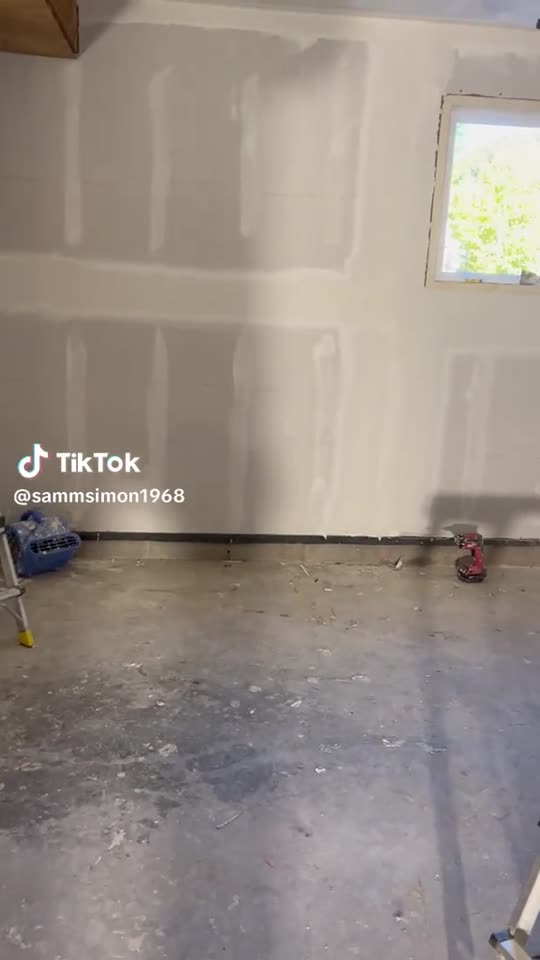
Waterproofing, plumbing upgrades, electrical panel work, HVAC. Nobody sees this stuff once it’s done, but skipping it first creates expensive problems in later phases. If you’ve got a damp basement, aging electrical, or a roof that’s overdue - start there. Every dollar spent on Phase 1 protects the dollars you’ll spend in Phase 2 and 3.
Phase 2 - High-ROI Finish Work.
Kitchens and bathrooms deliver the strongest return in the GTA market right now. If budget is a real constraint, this is where money earns the most back. We covered some of what’s trending in Bathroom Renos in 2026: What GTA Homeowners Should Know - worth a read if you’re planning a bath reno this year.
Phase 3 - Curb Appeal and Outdoor Living.
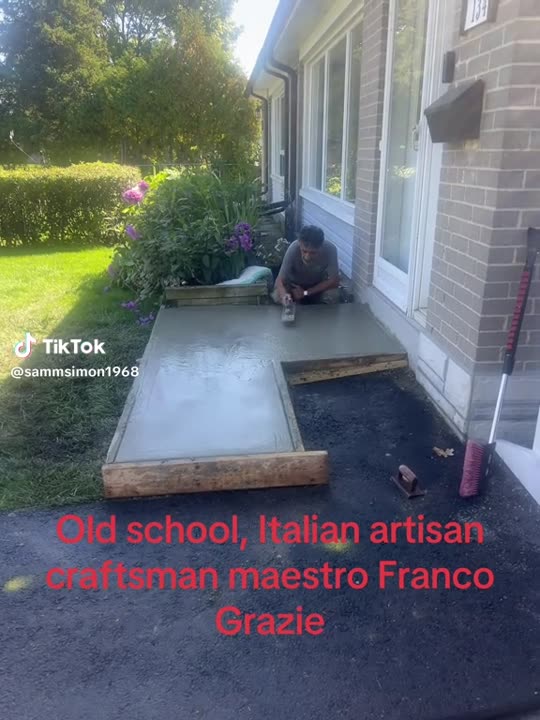
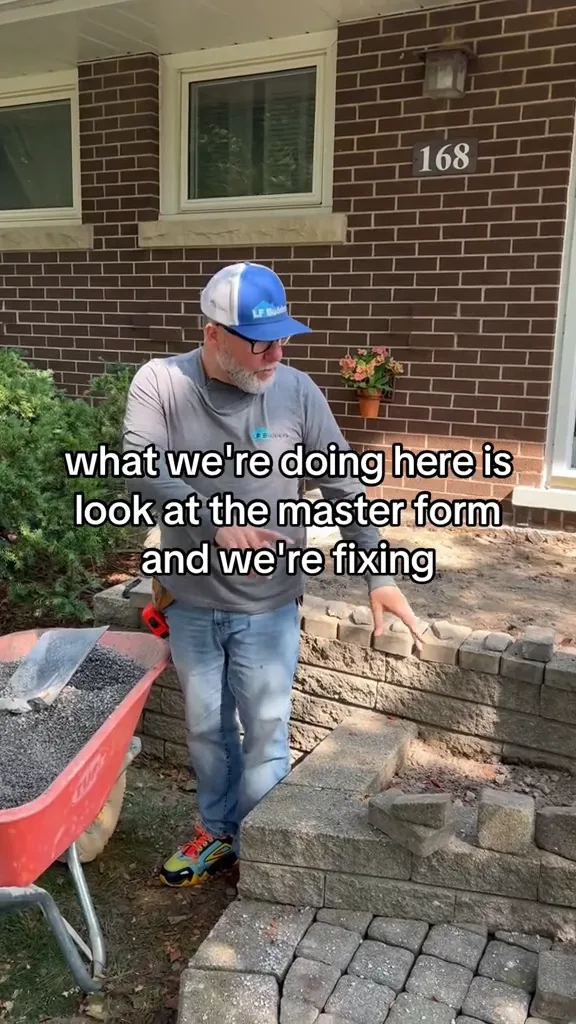
Interlock, flagstone, patios, aluminum capping, exterior trim. These are spring and summer projects with lead times. If you’re thinking about outdoor work for this season, booking now for a Phase 3 later in spring is actually smart timing - lead time and base prep are the two things that kill spring interlock projects.
The Three Questions Worth Answering Before You Phase
- Which failure point costs the most to fix if you delay it six months?
- What’s your realistic cash-flow window between phases?
- Is there a contractor who can carry continuity across phases, or will you be re-tendering each one from scratch?
That last one matters more than most people account for. Continuity across phases - same trades who already know the house, the quirks, the existing materials - reduces re-mobilization costs and avoids the coordination overhead of starting fresh every time. If you can find a contractor who’ll commit to the full phased scope upfront, that relationship is worth something in 2026.
Our Honest Take
At LF Builders, we’ve completed phased projects that ran over two and three years - planned that way from the start, not because something went wrong. The homeowners who approached it strategically, with a defined scope for each phase and a clear trigger for moving to the next, consistently came out ahead on both budget and stress level.
Material prices aren’t dropping meaningfully in the near term. But smart sequencing of what gets done first - and what waits - can soften the impact considerably. In a year where every dollar of reno spend needs to work harder, sequencing is one of the few levers homeowners actually control.
What’s on your phase list for 2026? Drop it in the replies - happy to share a quick take on sequencing based on what we’re seeing across GTA projects right now.
More from home.renovation.reviews
- Costs: Complete 2026 Renovation Cost Guide for Toronto & GTA Homeowners
- Timing: Why April Is Quietly the Best Month to Book a GTA Reno
- Main site: LF Builders — 50+ Years, 30,000+ Projects in the GTA
- Blog: LF Builders Blog — Phasing, Budgeting & Renovation Strategy
- Charity: Samm Simon’s 251 KM Run for Cancer Research