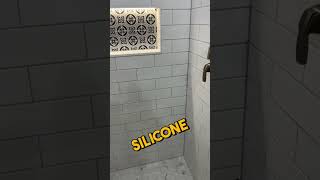
Something has shifted in our bathroom project conversations this spring. A year ago, the most common ask was “how do I make this feel bigger?” Now it is different. Homeowners are coming in asking about heated floors, curbless showers, natural stone — asking how to make the bathroom feel like somewhere they actually want to be in the morning.
The wellness bathroom is no longer a hotel-only thing. It is what a growing number of GTA homeowners are prioritizing in 2026, and after fifty years in the trades I can tell you this trend has real staying power.
What the wellness bathroom actually means on a real jobsite
Wellness is not a single feature. It shows up as a cluster of choices:
Curbless (zero-threshold) showers — the most-requested item we are seeing this spring. No curb means a cleaner sightline, easier cleaning, and better accessibility as you age in place. The catch: proper linear drain installation and waterproofing underneath are non-negotiable. A zero-threshold shower on a floor that was not prepared correctly is one of the most expensive failures we see. Budget $1,500–$3,000 for the drain and waterproofing work alone, done right.
Heated in-floor radiant — this has been around for decades but it is hitting a tipping point in Toronto renovations right now. For a standard GTA bathroom (40–60 sq ft), a quality electric radiant mat runs $400–$800 in materials. Installed, plan $1,200–$2,500 depending on subfloor condition and thermostat spec. Running cost is minimal — typically $10–$30 per month to keep a bathroom floor warm every morning.
Natural stone and large-format tile — porcelain slabs are the dominant choice right now. Fewer grout lines means less maintenance and a cleaner visual. The trade-off: large-format tile requires a very flat, structurally sound subfloor. A 24×24" porcelain slab on a bouncy floor will crack at the grout joint within a season.
Soaking tubs — freestanding soakers are still being requested, though we are seeing more homeowners skip them in favour of investing that budget in a larger, better-detailed shower instead. If you want a soaker, plan for a floor reinforcement assessment before install.
Lighting layers — this is underinvested in almost every bathroom we touch. Wellness bathrooms have at least three lighting zones: ambient (overhead), task (flanking the mirror — never overhead-only), and accent (under vanity, recessed niches, or backlit mirrors). Dimmer switches for every circuit.
What does a wellness bathroom cost in the GTA in 2026?
Entry-level wellness upgrade (heated floors, curbless shower conversion, updated fixtures): $18,000–$28,000
Mid-range full gut renovation with wellness features: $30,000–$55,000
High-end custom with natural stone slab, steam, smart mirror, full lighting design: $60,000–$100,000+
These are installed costs in the Toronto/GTA market. Labour rates here run higher than smaller Ontario cities, and permit requirements for electrical and plumbing changes add a few weeks to timelines.
The ROI question
Wellness bathrooms do sell homes faster when the rest of the house is in comparable condition. Real estate agents in the GTA consistently report that a properly done primary bathroom renovation returns 60–80% of its cost at resale — and more importantly, it reduces days on market. More relevant for most of our clients: the personal value of a bathroom you actually enjoy using every day is hard to quantify but very real.
More from home.renovation.reviews
- Related thread: What Does $100K Get You in a GTA Renovation in 2026?
- Related thread: Bathroom Renos in 2026: What GTA Homeowners Should Know
- Full renovation cost guide: lfbuilders.ca
- Blog deep-dive: blog.lfbuilders.ca
- Community cause: Samm Simon is running 251 km for cancer research — sammsimon.ca