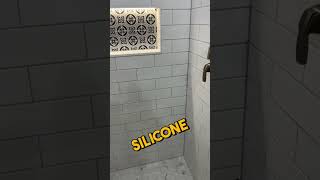
After watching three bathroom renovations closely — one excellent, one average, one that had to be redone — I’ve developed strong opinions on what separates good tile work from excellent tile work. Relevant for anyone hiring a tile setter or considering DIY.
The Substrate Is Everything
Tile is only as good as what it’s installed on. A crack or flex in the substrate will transmit to the tile and grout. In Toronto bathrooms:
Cement board (minimum 1/2") over wood framing in showers
Uncoupling membrane (Schluter Ditra) over wood subfloor on bathroom floors (prevents tile cracking from subfloor movement)
No drywall in wet areas — ever
Layout Matters More Than Most Realize
The difference between a tile job that looks professional and one that looks amateur is usually layout. A professional tile setter:
Calculates the layout so cuts at edges are equal on both sides
Plans so cuts at the entry are as large as possible (no tiny slivers at the door)
Accounts for how grout joints will align with plumbing fixtures and outlets
Does a dry layout before committing to adhesive
Grout Line Consistency
Tile spacers are non-negotiable for consistent joints. Larger format tile (24x24 and up) requires a laser level and back-buttering to ensure full adhesive coverage without lippage (height variation between adjacent tiles).
The Grout Selection
Epoxy grout in shower floors and high-use areas is worth the premium — stain resistant, doesn’t require sealing, doesn’t crack. Unsanded grout for joints under 1/8"; sanded for joints 1/8" and larger.
home.renovation.reviews has before-and-after threads from Toronto bathroom renovations with close-up tile photography.
All of these points are solid - especially the substrate section. That’s where most callbacks originate.
One thing I’d add to the grout line discussion: before any sealer goes on, do the coin test across the full surface. Tap each tile lightly with a coin or the handle of a screwdriver. A hollow sound means the tile didn’t bond fully to the adhesive - you’ll hear the difference clearly versus a properly set tile. A bathroom floor with 10% hollow tiles will start losing grout joints within a year and cracking tiles within two. Catching it pre-seal is a 2-minute inspection that saves a full rip-out.
On large format tile specifically (600x600 and up): the back-buttering requirement goes up, not down. Some tile setters skip it on large format because it’s more work. The consequence is a tile that’s bonded at the trowel ridges but hollow in between. Fine until someone drops something heavy or temperature cycles push and pull the substrate.
For anyone hiring out tile work: ask the setter to do the coin test with you before they leave for the day. Any experienced professional will not only agree - they’ll appreciate that you know to ask. If someone pushes back on the inspection, that tells you something.
The point on epoxy grout is well taken for showers. Standard grout in a high-humidity shower will absorb and discolour within 18-24 months regardless of how carefully it’s sealed. The upfront cost difference is small relative to the grout cleaning and resealing you’ll avoid over the next decade.
Good write-up. This is exactly the kind of detail homeowners should have before they sign off on a tile contract.