Renovating a heritage-designated property in Ontario requires heritage permit approval in addition to standard building permits. This guide covers designation types, what triggers a heritage permit, and material requirements for GTA heritage renovations.
Types of Heritage Designation
Part IV (individual property): Heritage Permit required for any alteration to designated attributes — typically all exterior features.
Part V Heritage Conservation District (HCD): Applies to whole neighbourhoods. Common in Toronto (Cabbagetown, The Annex, Roncesvalles), Hamilton, Kingston, Guelph. Exterior changes to any building require Heritage Permit.
Listed (non-designated): On municipal heritage register but no permit required. However, municipality may designate property before issuing demolition permit — always verify status before planning demolition.
What Requires a Heritage Permit
Any exterior alteration visible from a public street: window and door replacement, siding changes, porch work, roof replacement, additions, painting masonry. Interior changes may also require permits if designation bylaw lists interior heritage attributes.
Heritage-Compatible Materials
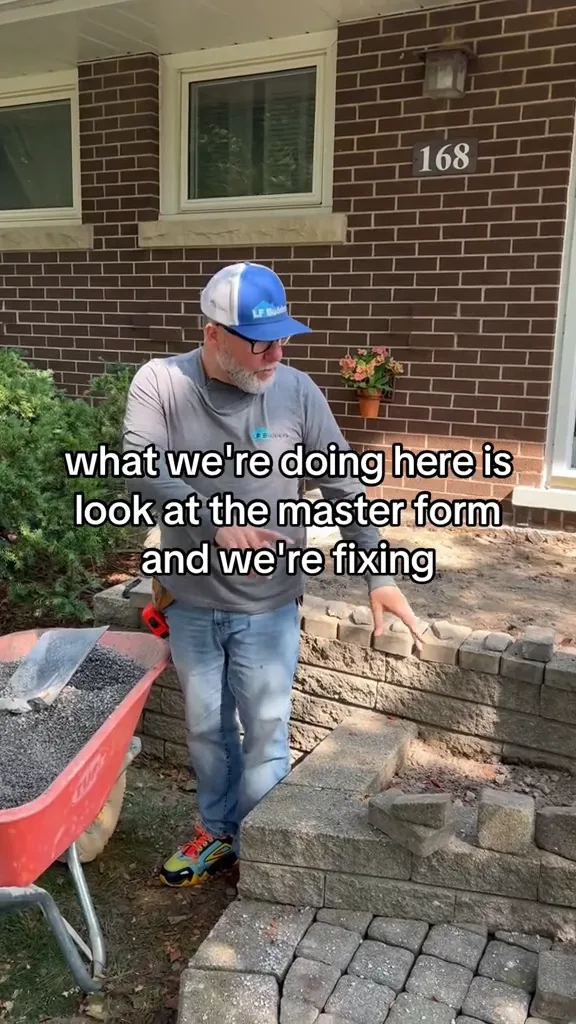
Masonry: Match original brick colour, texture, and mortar composition. Use lime-based mortars — modern Portland cement is harder than historic brick and causes spalling.
Windows: Most HCDs require wood or aluminum-clad wood to match original profiles. Vinyl windows are typically not approved. Budget $800-$2,500 per heritage window vs $400-$900 standard.
Heritage Permit Timelines (Toronto 2026)
Standard heritage permit: 30-60 days. Significant alterations requiring full Heritage Preservation Services review: 90-120 days. Always apply for heritage permit before standard building permit.
Full guide with material specifications: https://telegra.ph/Ontario-Heritage-Home-Renovation-Guide-2026---Permits-Restrictions-and-Best-Practices-04-26