Ontario Building Permit Guide: When You Need One, How to Apply & Consequences of Skipping

Building permits are mandatory for most significant Ontario renovation work. Here is a clear guide to what requires a permit and how the process works in 2026.

When Is a Permit Required?
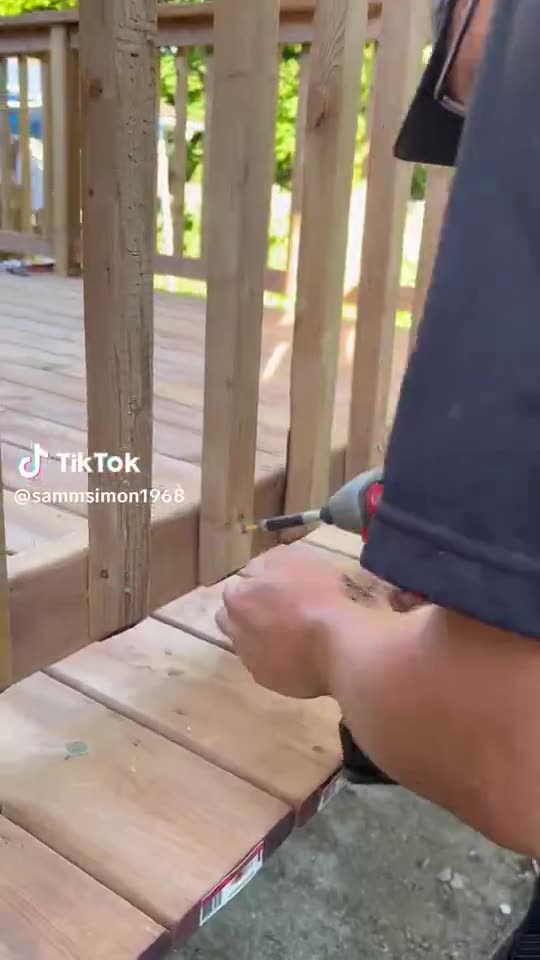
Permits required for: additions, structural changes (removing walls, adding beams), finished basements, new plumbing, new electrical circuits, HVAC system changes, decks over 10 sq m, and most accessory structures. Not required for: like-for-like replacements (fixtures in same location, windows in existing openings), interior cosmetic work (paint, flooring), and most minor repairs.

How to Apply
Online applications available in most Ontario municipalities. Submit: application, site plan, construction drawings, specifications, payment. Toronto: permits.toronto.ca. Mississauga: mississauga.ca/permits. Ottawa: ottawa.ca/buildingpermits.

Processing Times 2026
Simple projects (decks, basements): 2-6 weeks. Complex projects (additions, new construction): 8-20+ weeks. Plan permit timelines before booking contractors.

Inspections
Framing inspection before closing walls. Rough-in plumbing, electrical, and HVAC before insulation. Insulation before drywall. Final inspection before occupancy.

Consequences of Skipping Permits
Flagged on home inspections and MPAC property records. May require demolition and rebuilding at homeowner cost. Voids home insurance claims related to unpermitted work. Creates deal-breaker issues at sale. Retroactive permits (if possible) cost more than original.

Discuss permit timelines and experiences at home.renovation.reviews.

One thing that doesn’t get enough emphasis in permit conversations: the insurance angle. Ontario home insurance policies increasingly contain clauses that void coverage for structural work done without permits. If you finish a basement without a permit and there’s a flood or fire, you may find out mid-claim that your insurer considers it unpermitted construction - and refuses to pay out on that portion of the damage. That outcome is more common than people think.

The sale side is just as real. Savvy buyers’ agents in the GTA now routinely pull permit histories through the city’s online database as part of due diligence. Unpermitted additions, finished basements, and decks show up as red flags that either kill deals or come back as price reduction leverage against the seller. Pulling the permit at the time of the work is almost always cheaper than the retroactive permit process or the negotiation hit years later.

On processing times: the 2-6 week range for simple projects is optimistic for parts of the GTA right now. Toronto has been running 4-10 weeks on straightforward basements as of this spring. If timeline matters, book your permit before you book your contractor.

One more practical note: permit fees in Ontario are typically calculated as a percentage of project value, not a flat amount - usually 1-2%. A $60,000 basement finish in Toronto runs roughly $600-$1,200 in permit fees. Not trivial, but not project-breaking either. Build it into your budget from day one rather than treating it as an afterthought.