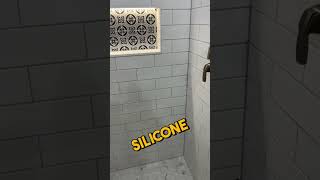
A heated bathroom floor is one of those upgrades GTA homeowners always talk themselves into during the second week of February and forget about by April. By the time the project hits the calendar, the bathroom is already torn apart for tile, the rough-in window has closed, and the install gets bolted on as a last-minute add-on at retail labour rates. Booking the planning conversation now, with the renovation still in the design stage, is what separates a clean $1,500 electric retrofit from a $4,000 retrofit-plus-rework that the homeowner pays for twice.
The decision splits along two real choices, electric resistance mat or hydronic loop, with brand selection inside each choice being the smaller part of the call. There is also one Ontario Electrical Safety Code rule about the GFCI that most homeowners and a surprising number of tile installers get wrong, which can fail an ESA inspection and force a re-pull months after the bathroom is back in service.
The two heat-source styles, in plain language
Electric resistance mat is the default GTA install for a single bathroom. A thin mesh-bonded heating cable, usually 120V or 240V depending on circuit availability, gets thinset-embedded in the mortar bed under the tile. Output is rated in watts per square foot, typical bathroom mats land at 12 W/sqft, and the system is wired through a dedicated GFCI thermostat with a floor sensor. Cost is the lowest of the two styles, the install is essentially a tile-trade plus an electrical hookup, and a well-installed system runs for 25-plus years with no moving parts. The trade-off is operating cost per kWh of resistance heat and a small height build-up of about 1/8 inch under the tile, which the rest of the renovation has to plan around at door clearances and floor transitions.
Hydronic in-floor heating runs warm water through cross-linked polyethylene (PEX) tubing, embedded in either a poured gypsum overlay or a thinset-and-mortar bed depending on subfloor depth. The water comes from a dedicated boiler, a tankless side-arm off the domestic water heater, or, in newer builds, a heat-pump-fed buffer tank. Operating cost is roughly 40 to 60 percent lower than electric for the same heated area when the source is natural gas, which is the cost case homeowners usually quote. The unit cost of installation is significantly higher, the controls are more complex, and the install only makes economic sense when a bathroom is part of a larger hydronic loop. Bolting a single bathroom onto a hydronic system that does not already exist is rarely the right call, and the GTA contractors who actually run these conversions will say so without prompting.
The plain-language test most GTA homeowners need: if this is a single bathroom retrofit, the answer is electric. If this is a new build or a deep renovation that already pulls the basement slab or includes a heated mudroom and primary ensuite, hydronic is on the table. Anything in between leans electric for cost and timeline, and gets second-guessed for the wrong reasons.
The sizing math, with actual numbers
Coverage area in a bathroom is the heated tile field minus permanent fixtures. Toilets, vanity bases, tubs, and shower bases do not get heated mat under them. The reason is partly a manufacturer warranty rule, partly an electrical-code derating rule for cable in confined cavities, and partly the practical reality that nobody stands on the part of the floor a tub is sitting on. The math: a 5x8 bathroom is 40 sqft on the floor plan, but a 30 inch vanity, a 14 inch toilet footprint, and a 32x60 tub take roughly 18 sqft off the heated field. Heated coverage lands at about 22 sqft, which is the number that drives system sizing.
Wattage required is heated area times 12 W/sqft for the standard mat, so a 22 sqft field needs a 264W system. The next standard mat size up rounds to 300W, which is the one to order. Thermostats are rated to a maximum amperage; the typical 15-amp 120V GFCI thermostat will handle up to about 1,800W of mat. A 240V circuit doubles the available wattage on the same amperage, which matters in larger primary ensuites where a 90 sqft heated field pushes past the single-circuit budget.
For hydronic the sizing math is BTU/hr per sqft, with bathroom output usually targeted at 25-35 BTU/hr/sqft for a comfort floor and up to 40 BTU/hr/sqft if the hydronic system is the primary heat source for the room. PEX tubing layout is on a 6-inch or 9-inch centre depending on output target, and tubing length per loop is capped to keep pressure drop manageable. A 22 sqft bathroom field will use a single short loop tied into the manifold, which is the cleanest install pattern and the one a competent plumber will quote without hesitation.
OBC and Ontario Electrical Safety Code: what the rule actually says
This is the part most installers get half-right.
A heated floor in a bathroom is electrical work that requires a permit. Not the building permit for the bathroom renovation itself, which most homeowners already pull for plumbing changes, but a separate electrical permit through the Electrical Safety Authority. The permit is pulled by the licensed electrical contractor who connects the system, and the inspection happens before the tile goes down. Skipping the permit is the single most common GTA failure pattern on heated floors, and it surfaces years later when the home gets sold and the inspection report flags an unpermitted electrical install.
Class A 5mA GFCI protection is required on every heated-floor circuit. A standard GFCI thermostat satisfies this requirement when wired correctly. The 5mA rating is the trip threshold, not a brand spec, and the inspector will check it.
The 1.0 metre clearance rule is the one that catches DIY installs and inexperienced trades. A heating device installed less than 1.8 metres above the floor is not allowed within 1.0 metre horizontally of a sink, tub, or shower, unless the device is GFCI-protected. A heated floor mat under a vanity-skirted toe-kick, or under a shower-adjacent tile field, fails this rule unless the GFCI is wired and rated. A GFCI-protected mat with a tested-and-confirmed 5mA trip is compliant. A non-GFCI mat in the same location is not. The fix is to upgrade the thermostat, not to relocate the mat.
The 3.0 metre water-edge rule applies to the GFCI receptacle if a separate one is used for the system. The thermostat itself is wall-mounted and does not have a receptacle, so this rule applies more to the install of any service receptacle near the bathroom.
Pulling the permit and following the rules adds about $150-250 to the install cost. The cost of remediation if an inspector flags an unpermitted install years later is several multiples of that, plus the cost of pulling tile to access the wiring. The arithmetic is straightforward.
Real GTA install costs, Spring 2026
These are real GTA installer numbers from the past 60 days. There is meaningful spread because shop overhead and electrical-contractor markups vary across the region.
For an electric mat in a 5x8 bathroom (22 sqft heated field): mat and thermostat hardware $300-450, electrical labour for the dedicated circuit and thermostat hookup $400-600, ESA permit and inspection $150-200, tile-trade labour for embedding the mat in the mortar bed $150-300 over the base tile labour. Total install lands at $1,000 to $1,550 above the base bathroom tile budget. This is the number that should be on the renovation quote.
For an electric mat in a primary ensuite (60-90 sqft heated field): mat and thermostat $700-1,100, electrical labour with possibly a 240V circuit pull $600-1,000, ESA permit $150-250, tile-trade labour $300-500. Total $1,750 to $2,850 above base tile.
For hydronic added to an existing hydronic loop (rare in retrofit, common in new build): tubing, manifold tap, controls $500-900, plumbing labour $800-1,400, gypsum overlay or extra mortar bed $400-800. Total $1,700 to $3,100 above base bathroom mechanical and tile budgets, assuming the hydronic source already exists. If the source doesn’t exist, the conversation is no longer about a heated bathroom floor; it’s about a hydronic system, and the budget is in a completely different range.
These numbers are real GTA contractor spreads as of late April 2026. Quotes coming in significantly under these ranges either skip the permit, skip the GFCI, or use a builder-grade mat that runs hot and dies in 8-10 years instead of 25-plus.
Subfloor prep and the height build-up nobody plans for
A heated mat in mortar bed adds about 1/8 inch of build-up. A self-levelling underlayment on top adds another 1/8 to 1/4 inch. The new tile and thinset add 1/2 inch on top of that. The cumulative build is around 3/4 to 1 inch of new floor height, which has to clear under the bathroom door, the vanity toe-kick, and any heat register or threshold transition into the hallway.
The fix is to plan the build-up at the rough-in stage, not at the tile stage. Trim the door bottom before the tile goes down. If the build-up runs into a hardwood transition, plan a Schluter or similar transition strip that handles the height change cleanly. The bathrooms that fail this test are the ones where the heated mat was a late add and the door no longer clears the new tile. Re-trimming a hung interior door is a 30-minute fix; re-hanging it is a 90-minute fix; replacing it because the trim took too much off is a $400 surprise.
The subfloor itself needs to be flat to within 1/8 inch over 10 feet for a heated mat. A subfloor that meets normal tile-prep standards usually meets this, but older GTA homes with sagged plywood or dipped joists need a self-levelling pour first, which adds $200-400 and a 24-hour cure to the schedule.
Thermostat options, smart-home compatibility, and the floor-sensor question
The thermostat is the part of the system the homeowner actually interacts with, and it’s where the biggest install-quality differences show up. Three reasonable tiers:
Programmable GFCI thermostats from Honeywell, OJ Microline, or Schluter run $150-250. They handle the 7-day schedule, the GFCI trip, and the floor-sensor input. They don’t connect to a smart-home hub. They are the right call for most installs because they don’t introduce a network-dependent failure point on a 25-year resistance system.
Wi-Fi GFCI thermostats from nVent Nuheat Signature, Schluter DITRA-HEAT-E-WiFi, or Warmup 4iE run $250-400. They handle the same scheduling plus app control and geo-fencing. They tie into Google Home or Alexa with mixed reliability. The trade-off is that a network-dependent device is paired with a 25-plus-year buried system, and when the cloud service shuts down or the manufacturer pivots, the thermostat is firmware-locked into a feature subset. Worth the upgrade for households that already run a smart-home stack and want the bathroom in it.
Ultra-premium hub-integrated thermostats running $400-650 are usually the wrong call for a single bathroom. They make sense in a whole-house heating retrofit that already includes them, not as a bathroom-specific decision.
The floor-sensor input is the make-or-break detail across all tiers. A thermostat without a working floor sensor will run the mat off ambient air temperature, which means the floor surface overshoots the setpoint by 8-12 degrees Fahrenheit on cold mornings and undershoots on warm ones. The floor sensor is a thin probe embedded in the mortar bed at the time of install. If the sensor is missed at install or breaks during construction, the only way to add or replace it is to pull tile. Spending the extra hour at install to verify the sensor reads correctly before the tile goes down is the single highest-ROI quality-control step on the entire job.
Operating cost and the ROI question, with real numbers
A 22 sqft electric mat at 12 W/sqft draws 264W when on. Running it 6 hours a day at the Toronto Hydro 9.6 cents/kWh tiered residential rate (2026 OEB schedule) costs about $4.50 per month per bathroom in active heating season. Over a 6-month heating season the annual operating cost lands around $27-30 for a typical primary-bath schedule. This is small money against the $1,000-1,550 install cost, which means the system is bought for comfort, not for energy savings. There is no ROI math that makes a heated floor pay back as energy-efficient heating; there’s a comfort math that says a homeowner who hates a cold tile floor in February will use the bathroom differently and value the renovation more.
A 60 sqft primary ensuite mat draws 720W, runs costs about $12-14 per month in heating season, $75-85 over the year. The same comfort framing applies.
For hydronic, the operating cost on natural gas is roughly half the electric figure for the same heated area, but only if the source is a properly sized boiler running at decent efficiency. A bathroom tied into a low-mass tankless side-arm runs less efficiently than the brochure number, and the practical operating spread between electric and hydronic narrows in a single-bathroom case to where the upfront cost difference rarely amortizes over the life of the system.
The honest summary: heated floors are a comfort upgrade. The energy math doesn’t justify them. The bathroom-by-bathroom decision should be made on whether the homeowner will use the bathroom enough on cold mornings to get the comfort dividend, and on whether the renovation budget supports the $1,000-1,550 line item without crowding out something else.
What to ask the contractor before signing
Five questions that separate a clean install from one with regrets:
Will the install include an ESA electrical permit and pre-tile inspection, with the permit number on the invoice. The answer should be yes, and the permit number should appear before tile goes down. If the contractor is vague on this, the install is unpermitted by default.
Is the thermostat a Class A 5mA GFCI rated for floor-heating use, with a confirmed floor sensor reading before the mortar goes down. The answer should be a specific brand and model name, and the floor-sensor verification should be a documented step.
Is the heated field laid out to avoid the toe-kick, vanity, toilet, and tub footprints, with a sketch the homeowner can sign off on. The answer should include a printed or hand-drawn layout showing the heated area.
What is the height build-up from the existing subfloor to the new tile, and how does the door, transition, and toe-kick clearance accommodate it. The answer should include actual numbers and a clear plan for any door trim or transition strip.
What is the manufacturer warranty on the heating cable and the labour warranty on the install. The answer should be the cable manufacturer’s stated warranty (most are 25 years on the cable) and a labour warranty of at least 2 years on the install.
If the contractor handles all five questions cleanly, the install is in good hands. If two or more come back vague, the conversation is worth taking to a different contractor.
Related GTA bathroom and renovation reading
Heated floors are one piece of a bathroom renovation. The other big-ticket calls are the bathtub refinishing or replacement decision, the shower glass enclosure choice, and the smart thermostat integration for households tying everything into one stack. For the broader spring renovation context, the GTA spring 2026 renovation overview covers permit timing, contractor availability, and the rebate calendar.
Bathroom comfort decisions stack on each other. A heated floor handles the cold-morning tile temperature; the shower enclosure handles the steam containment; the exhaust fan does the slower work of moisture management over the year. Cutting any one of those line items to keep a budget round tends to surface two winters later as a regret, usually with a story attached about why the homeowner thought they could skip it.
This thread is part of the home.renovation.reviews $RENO contributor program. Helpful posts on heated-floor installs, contractor experiences, and GTA cost data earn $RENO from the community payment ledger. Tier-up contributors qualify for the badge-based “Tradesperson” and “Mentor” titles. Track the leaderboard at Home Renovation Reviews, see the public payment ledger at $RENO Payment Ledger, and link a Solana wallet on signup to participate.