Our Whitby house has a classic 1978 two-storey with an original open wood-burning fireplace in the family room. We used it occasionally but it was essentially a decorative heat sink — more heat went up the chimney than into the room. This spring we converted to a Napoleon Altitude X 36 gas insert.
Initial assessment: WETT inspection of the existing chimney was required by the gas fitter before work began. Cost: $240. The inspector found the chimney was in acceptable condition (no major cracks, cap intact) but noted that the terra cotta flue liner had some mortar joint deterioration at the top 8 feet. Not structurally critical but relevant to the liner installation.
The liner: Direct-vent inserts use a concentric liner — one pipe carries combustion air from outside, the other exhausts flue gas. The liner runs from the firebox throat to the chimney cap, approximately 18 feet in our case. Installers use a flexible stainless liner that navigates any minor chimney offset. The liner was the most time-consuming part of the install — about 4 hours of the 6-hour total job.
Gas permit: Filed by the contractor (licensed gas fitter, TSSA registered). Required in Ontario for any new gas appliance. Permit came back in 7 days. Inspector came for the final — checked gas line connection, tested for leaks, verified combustion air intake and exhaust were unobstructed.
Cost breakdown:
- Napoleon Altitude X 36 insert (supply): $2,450
- Installation labour (6 hours, 2 persons): $800
- Concentric liner, 18-foot run: $920
- Chimney cap with liner termination: $180
- Gas line extension from existing stub (12 feet): $380
- Gas permit: $210
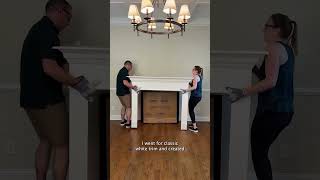
- Surround finishing (cast facing, hearth extension to code): $340
- Total: $5,280
Heating performance: On the coldest January days (-15°C), this unit keeps the 500 sqft family room comfortable at 50% flame output without running the furnace. The thermostat-controlled fan cycles automatically. We estimate we have reduced furnace runtime by 25% in the family room zone.