Water in a basement is one of the most common renovation calls we get, and also one of the most misdiagnosed. Homeowners guess at the cause. Some contractors default to the most expensive fix regardless of what’s actually in front of them.
Here’s a contractor’s read on it: how to figure out what you’re dealing with, when interior and exterior systems are each appropriate, and what a quote needs to actually cover.
Diagnosing the problem first
Not all basement water has the same source, and the fix is completely different depending on what’s driving it.
Seepage through a specific crack, or through the cold joint where the wall meets the footing, is usually a localized issue. Groundwater is pushing in at a weak point. This can often be addressed from the interior without touching the outside of the foundation.
Water coming in along multiple walls — or a wall that shows white mineral deposits (efflorescence), bowing, or horizontal cracking — is a different problem. The drainage system behind the foundation has likely failed. That typically requires exterior work to fix properly.
And sometimes what looks like water infiltration is condensation from interior humidity. The wall feels damp, nothing is actually coming through the foundation, and better ventilation with a dehumidifier handles it. No waterproofing system needed.
The contractor who sees all three and leads every diagnosis with “you need full exterior excavation” is the one to get a second opinion on.
When interior waterproofing is the right call
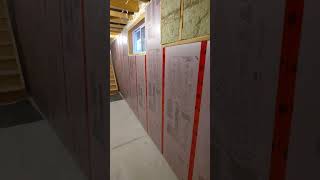
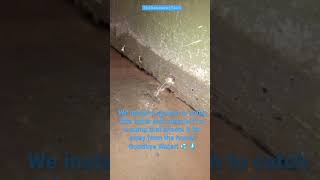
Interior waterproofing manages water after it enters the foundation wall. A drainage channel runs along the footing perimeter and feeds into a sump pit, which discharges outside. It does not stop water from entering the wall itself, but it routes it away before it reaches your finished space or causes damage.
Interior makes sense when seepage is localized — specific cracks, the cold joint, or window wells. It also works when exterior access is limited: tight property lines, an attached garage sitting over the foundation, landscaping that cannot realistically be excavated. And it is appropriate when the wall is structurally sound. No bowing, no significant horizontal cracking.
Cost in Ontario runs $4,000 to $10,000 for most homes, depending on perimeter length and whether a sump is going in for the first time.
When exterior waterproofing is worth it
Exterior waterproofing means excavating to the footing around the affected walls, applying a waterproof membrane to the exterior face of the foundation, replacing or installing weeping tile, and backfilling with clean granular material. It is a bigger project, and the disruption to landscaping, driveways, and decks is real.
It is the right call when the foundation wall shows structural movement — bowing, horizontal cracking, any inward lean. Also when the existing weeping tile has collapsed and needs full replacement. Or when you are finishing the basement and want a long-term dry guarantee before committing money to framing and flooring. And when water is coming in on multiple walls rather than one location.
Cost in Ontario: $10,000 to $35,000, depending on depth, soil conditions, how many walls are involved, and what is sitting over the excavation area.
What a solid quote actually covers
Most homeowners get surprised by what was not in the quote. Before signing, ask specifically whether each of these is included or excluded.
The sump pump and pit. Some quotes price the drainage channel and the sump installation separately. Get it itemized before you agree to anything.
Mold remediation. If there is existing mold on framing or drywall when the work starts, that is typically a separate scope. Find out whether the waterproofing contractor handles it directly or whether you need to hire a separate remediation company.
Window well drains. Ground-level basement windows are a common secondary entry point. A quote that does not address window wells may solve most of the problem and leave the rest.
Landscaping restoration. Exterior excavation means your sod, gardens, or driveway absorbs the impact. Ask explicitly what restoration is included and what is not.
Crack injection. If a specific wall crack is the primary entry point, polyurethane or epoxy crack injection should be in the scope. If it is not itemized, ask why. It is either not being done, or it will show up as a change order after you have already signed.
One question worth asking any waterproofing contractor before you sign: what happens if water comes back after the work is done? Get the warranty specifics in writing — what it covers, how long it lasts, and what voids it.
LF Builders has been doing basement waterproofing and foundation work across the GTA for over 50 years, with more than 30,000 completed projects. If you have a quote you are trying to evaluate, or a situation you cannot quite diagnose, post it here.
Top contributors in this thread earn $RENO, our Solana-based community token. Track your standing and tier at the welcome topic and see who has earned payouts on the $RENO payment ledger.