A cheap renovation quote feels like a win. Same scope, same promises, lower number, what made it cheaper?
Plenty things, and In most cases, the cheapest quote isn’t cheaper. It’s incomplete.
Low quotes often skip critical details, proper prep work, realistic labour hours, disposal fees, permit costs, or even basic materials.
Those gaps won’t disappear just like that; they resurface later as unforeseen issues, variations, or necessary upgrades. By the time the dust settles, the final cost quietly passes the higher original quotes.
Another common trick is underpricing labour. The job starts, timelines stretch, corners get cut, and suddenly the contractor needs adjustments to finish properly. Homeowners end up paying more just to get the quality they thought they were buying in the first place.
Cheap quotes also tend to rely on lower-grade materials. They look fine on paper, but fail inspections, wear out faster, or require replacement sooner thus turning “savings” into repeat expenses.
The most expensive renovations are rarely the highest quotes. They are the ones that start cheap and end messy.
A solid quote explains why it costs what it costs. Transparency beats temptation every time.
3 Likes
This is exactly right, and the part homeowners underweight is the scope gap, not the price gap. Two quotes can be $18K apart on the same job and both be honest — one just priced the work, the other priced the work plus everything it will take to finish it.
Quick filter I walk every client through before comparing numbers:
- Demo and disposal. Is the bin listed by size and number of pulls? A 14-yard bin in Toronto is ~$650 per pull all-in. One bin is rarely enough on a full bath or kitchen.
- Permits and drawings. Are architectural/structural drawings and the permit fee itemized, or does it say “by others”? That “by others” is you, usually $2–5K you didn’t budget.
- Protection and site prep. Floor runners, dust walls, HEPA filtration, furniture move-out. $400 vs $4,000 depending on how seriously they take a live-in reno.
- Electrical/plumbing allowance vs scope. An “allowance” is a placeholder. If it reads “$2,500 allowance for electrical,” that number is a guess and a variation is coming.
- Finish allowances vs selections. “$50/sq ft tile allowance” is useless if you already picked $95 porcelain.
When a quote is missing three or more of those, the lower number isn’t a deal — it is a deposit on a bigger invoice. Real apples-to-apples comparison needs a unified scope doc before prices ever get pulled.
Nailed it, @Abdul_Rahman. The line I come back to: a quote isn’t a price, it’s a description of the work. If the description is vague, the price doesn’t mean anything.
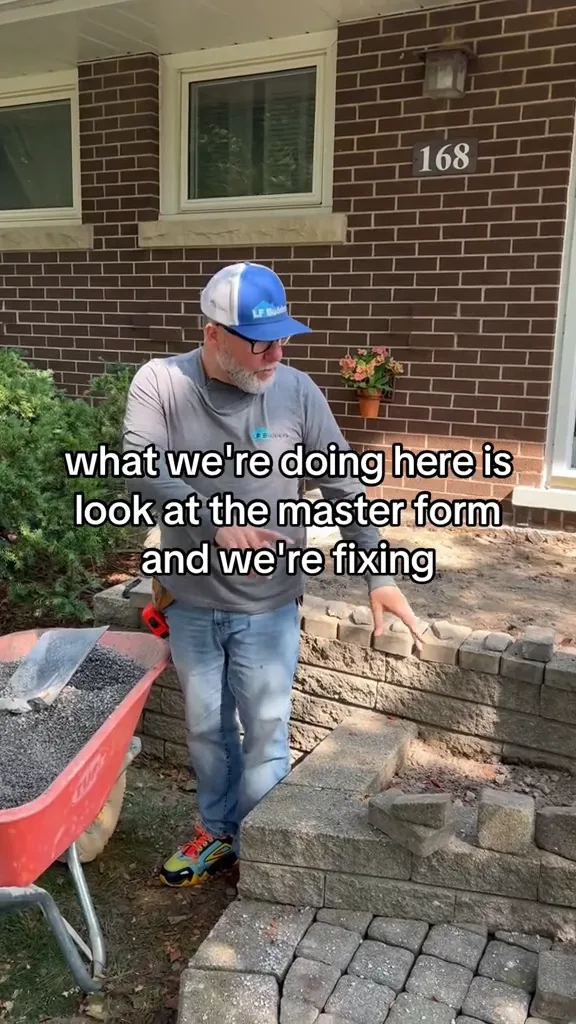
Quick GTA example to back this up. Legitimate interlock patio work this season is sitting $25–$60/sqft, but quotes are coming in at $10–$15. The gap isn’t profit margin — it’s 3 inches of base instead of 10, no geotextile, plastic edge restraints, pavers without a freeze-thaw rating. Homeowner pays for the “savings” in year 3 when the patio heaves. More on that here: The 12-inch rule.
The test I give people: ask the contractor to put four things in writing — base depth measured compacted, specific polymeric sand brand, disposal fee, and settlement guarantee in years. A real trade answers in two minutes. The cheap quote changes the subject.
Transparency beats temptation — most homeowners just need the questions to ask.
Good breakdown. One thing I’d add after 50 years of pulling jobs out of ditches other crews dug: the “cheap quote” almost always skips the boring line items that actually run the job. Site protection, tear-out and disposal, permit fees, revised mechanical drawings if walls move, and a realistic allowance for what’s behind the drywall. When a quote is one page with three bullet points, that’s not simplicity, that’s a gap the homeowner ends up paying for in change orders.
What I tell homeowners: ask for the quote broken into sections. Demo and disposal. Rough-in for plumbing, electrical, HVAC. Materials with brand and tier specified, not just “premium finishes”. Labour hours per trade. Permits and inspections. Cleanup. If a contractor can’t lay it out that way, they either don’t know the real scope yet, or they’re counting on you not to notice what’s missing.
A 15 percent spread between two honest quotes is normal in Toronto right now. A 40 percent spread usually means one of them is lying, either to you or to themselves.