Short version: mid-April through early May is the cheapest, least-stressful window to lock in a GTA renovation this year. After mid-May the queue closes fast, and by June contractors are picking jobs, not competing for them. If you’ve been sitting on a quote since February, this is the week to call back.
Here’s why it matters, and what to watch for.
The shoulder-season discount is real
Reliable trade data this year has April-May and September-October pricing coming in 5-10% under peak summer bookings across the GTA. It’s not a sale. It’s a scheduling gap. Crews have trucks and days to fill between winter interior work and the summer outdoor push. Call in July asking for a patio in August and the crew is already stacked through September, which the quote reflects.
Materials are not the pressure point in 2026. Lumber and plywood are flat to softer versus last year. The line item that actually moved is labour: residential construction wage agreements that closed in mid-2025 are washing through quotes now, and some trades are up close to 20% year-over-year. That cost is fixed by the time your quote arrives, so the only real lever you have left is when the crew is idle versus stacked.
The permit queue is about to tighten
April through October is when the City of Toronto ePlans backlog gets ugly. Standard residential applications still land in the 10-20 business-day window this spring, but incomplete submissions tack on another 2-4 weeks, and the closer you get to summer the longer that tail gets. FASTRACK (for zoning-compliant projects under 100 m²) is still approving in 5-10 business days right now. That lane starts to thin out in May when everyone files at once.
If you already have a contractor you like, ask them to file this month. Filing in April and starting in late May costs you nothing. Filing in June and hoping to start in August can cost you the season. For the longer thread on what’s actually slowing permits down this year, see the permit delay discussion.
3 signals a contractor is already stacked
You’re calling in April, the good window, but not every outfit still has room. Signs a quote is going to disappoint you:
- Vague start date. “Sometime in June” means they’re juggling and your job is back-pocket filler. Ask for a written start date tied to permit-in-hand, not a month range.
- Scope shrinking mid-conversation. Solid contractors ask what you need and price it. A contractor who starts trimming things you asked for, or pushes you toward “the simpler version,” is trying to fit you into a slot someone else cancelled. That’s fine if you wanted the simpler version. Not fine if you didn’t.
- Deposit-first, deposit-big. Standard in Ontario is a moderate deposit at signing, milestone payments against work completed, and a holdback at the end. A 40-50% ask up front in April, on a job starting in July, is either a cash-flow problem on their side or a placeholder to keep their schedule flexible. Either way it’s your money sitting idle.
More on this in the contractor-committing thread.
What to line up this week if you want the window
Decide one thing first: are you renovating to live in it, or renovating to sell in the next 24 months? The answer changes what’s worth spending on.
Get 3 quotes, not 2 and not 5. Two leaves you without a reality check. Five is a part-time job.
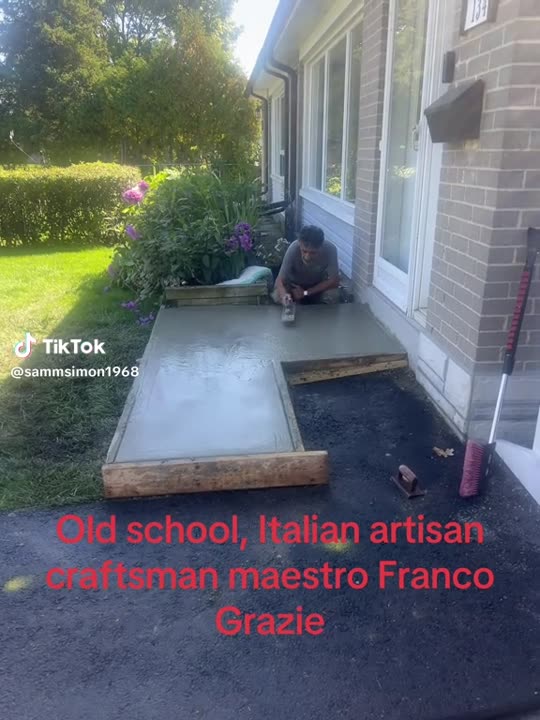
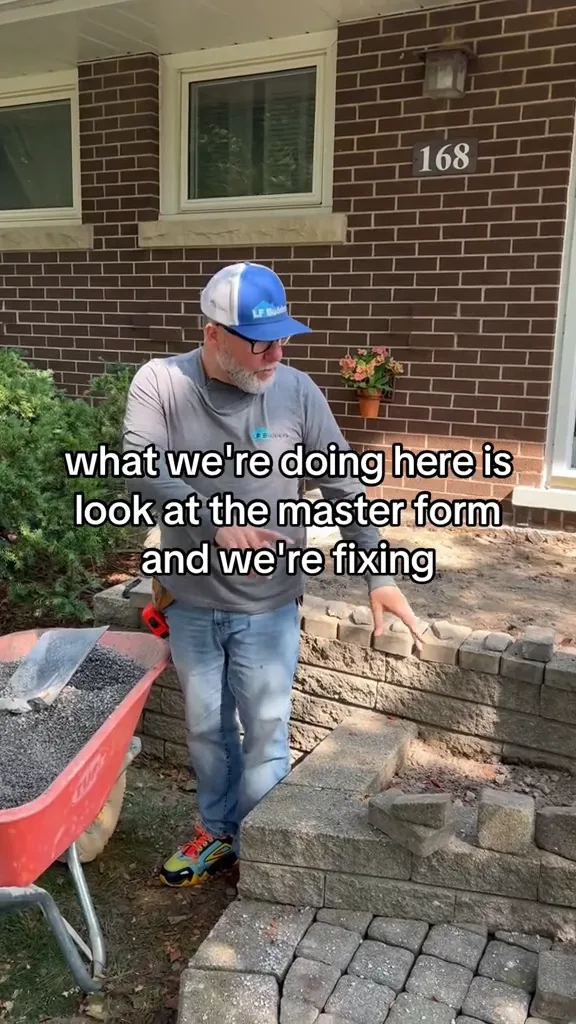
For exterior work (patio, interlock, eavestrough, waterproofing, drainage), drainage comes first. The backyard-prep piece covers the sequencing.
If your project needs a permit and you haven’t filed, ask your contractor when they plan to submit. “This week” is the answer you want. “Once we’re closer to starting” means your project is on their back burner.
If you’re sitting on a quote, got one you’re not sure about, or just want a second set of eyes on the pricing line, drop it in this thread. This is exactly the kind of week where an hour of comparing notes saves a lot later.
More from home.renovation.reviews
- Phasing guide: Phasing Your Renovation in 2026: Is It the Smarter Move?
- Permits: How Long Does a Toronto Building Permit Take in 2026?
- Main site: LF Builders — Toronto Renovation, 50+ Years
- Blog: LF Builders Blog — Seasonal Renovation Guides
- Charity: Samm Simon’s 251 KM Cancer Research Run — sammsimon.ca