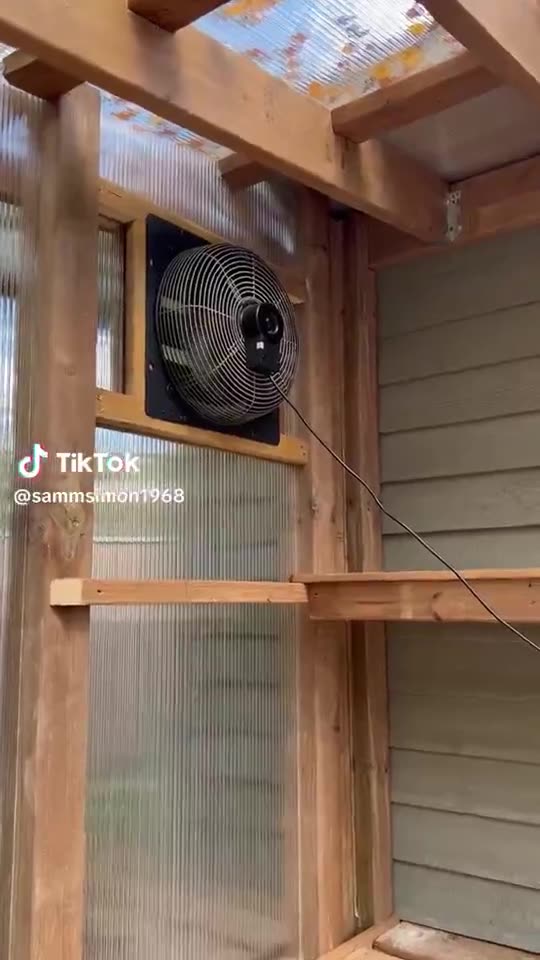
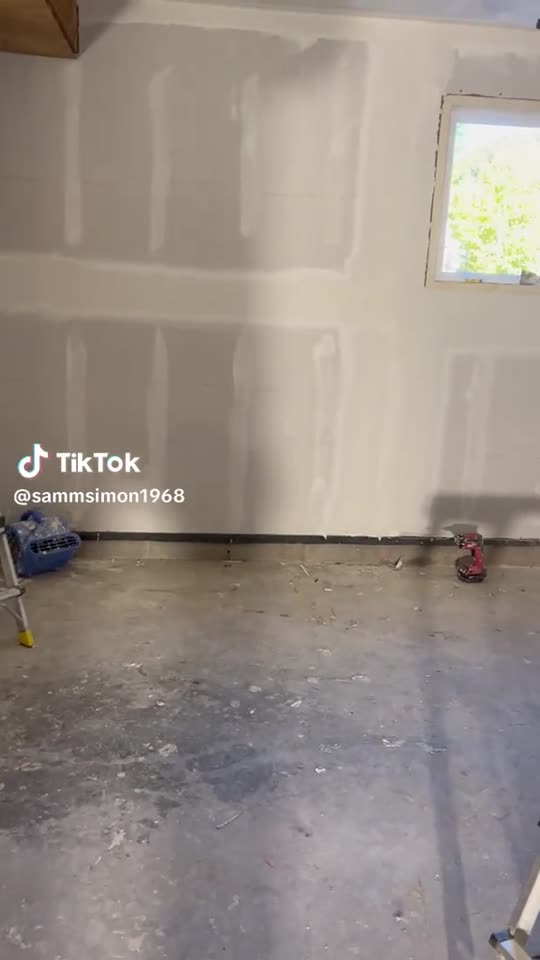
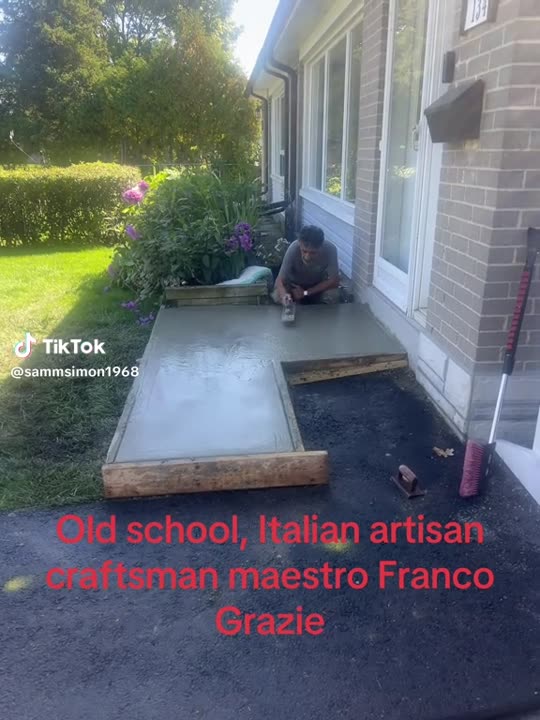
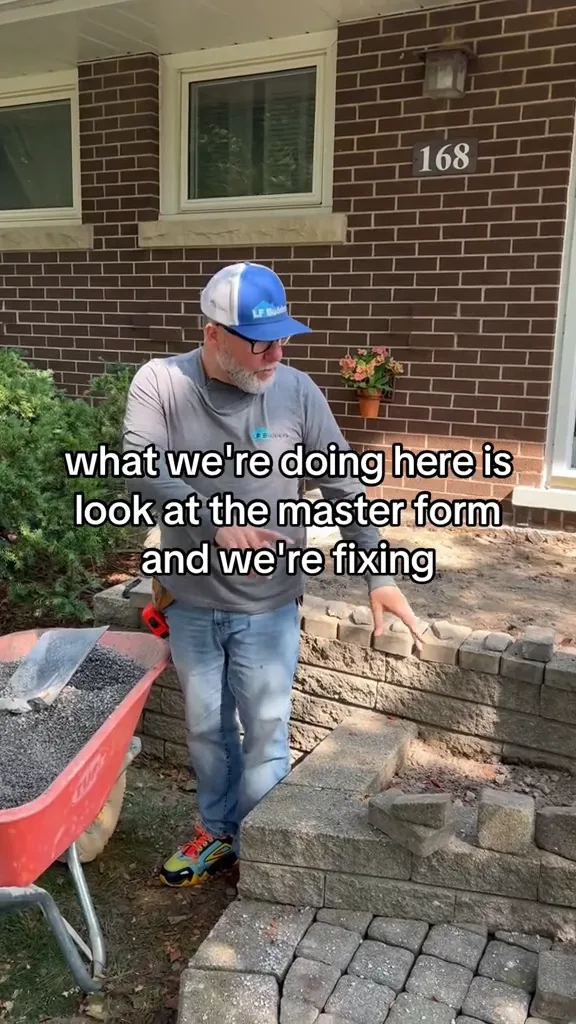
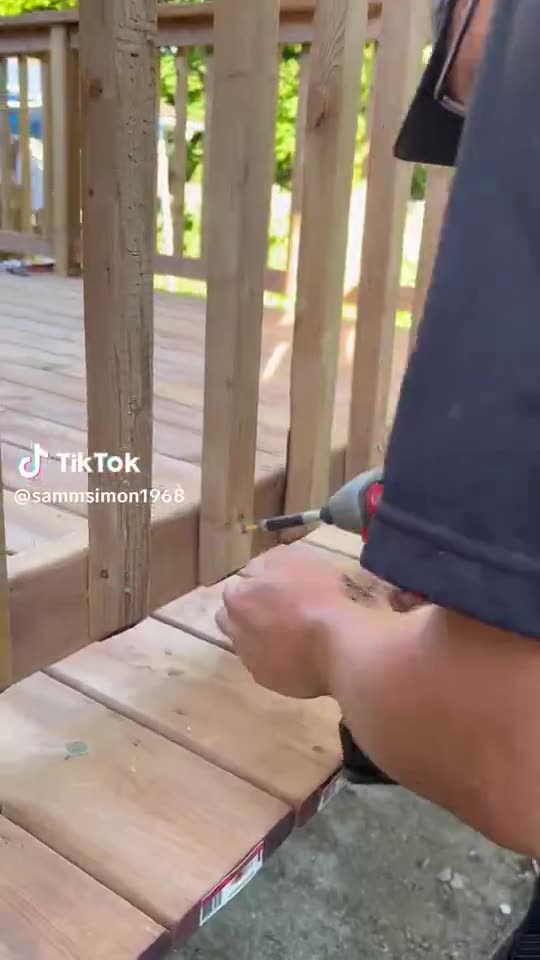
This starts from procrastination, that quick patch, or move a chair there “for now,” use tape temporarily, leave a box in a corner for a few days, or delay finishing one small renovation detail until later.
Then somehow it takes months years and the fix is still there.
The interesting part is how quickly a lot of people mentally adapt to unfinished things inside their homes. In the beginning, the issue is obvious and annoying every single day.
But after a while, their brain slowly starts treating it as a normal background scenery.
Also, temporary fixes are psychologically easier because they remove urgency. When that fix makes the problem “good enough,” the immediate pressure to properly finish it is gone.
But at the same time, those little unfinished things quietly create small mental stress. Seeing incomplete projects repeatedly can make a home feel chaotic even when everything else looks fine.
When you finally fix that old “temporary” problem the satisfaction is weird because you realize how long you were mentally carrying something you stopped consciously noticing.
That’s so true. Temporary fixes have a way of blending into daily life until they become part of the house itself. The funny part is how much lighter and more organized a space suddenly feels once those small unfinished things finally get resolved.
Temporary fixes usually feel acceptable because they solve the problem “for now.” Then months later people realize they’ve been living with the same setup the entire time.
Once we are not able to finish a renovation and start living in and we make some temporary fix mostly they do become permanent as we are tend to get familiar with it