Working in occupied condominiums requires heightened discipline. Trades must balance productivity with resident comfort. Sequencing becomes more important than speed.
Initial protection work comes first. Floors, elevators, and hallways must be covered before tools arrive. Trades treat protection as mandatory, not optional.
Demolition is tightly scheduled. Loud work is grouped into approved windows. Trades complete demolition efficiently to reduce disruption. Fragmented demo wastes time.
Mechanical rough ins follow immediately. Trades avoid reopening walls later. Proper coordination between plumbing and electrical is critical in confined spaces.
Inspection timing must align with building schedules. Trades pre book inspections to avoid downtime. Waiting delays all following phases.
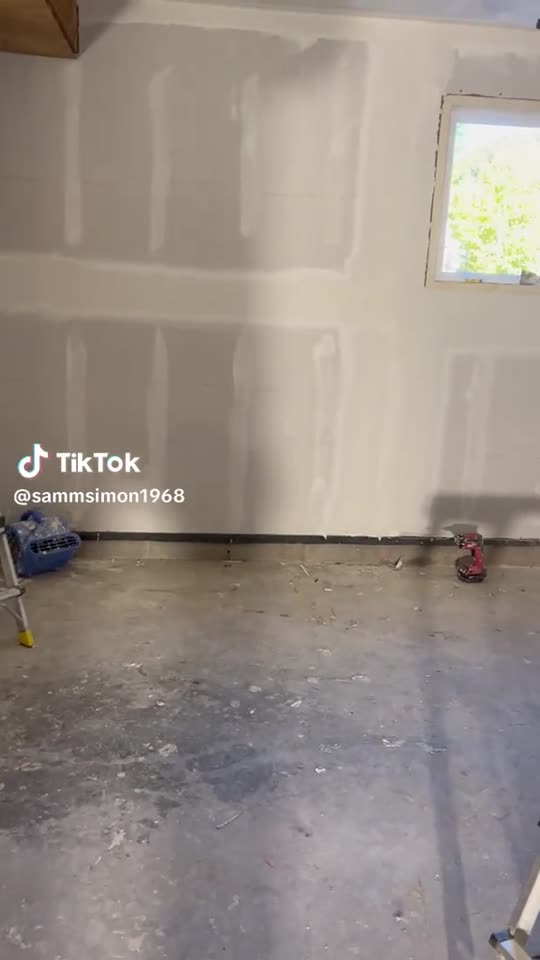
Drywall repairs and surface prep are consolidated. Trades avoid multiple visits. One clean execution reduces disturbance.
Cabinet installation sets reference points. Trades install cabinets once walls are confirmed. Accurate placement prevents rework.
Tile and backsplash work follows fixed elements. Trades maintain cleanliness to protect adjacent units.
Painting occurs in controlled phases. Trades minimize odors and use low VOC products when required.
Flooring is installed late. Trades protect finished floors aggressively in tight corridors.
Appliance installation is scheduled near completion. Early installation increases damage risk. Trades time delivery precisely.
Punch list work is structured. Trades group tasks to minimize repeat visits. Efficiency reduces complaints.
Client walkthroughs are planned during quiet phases. Trades explain progress and next steps clearly.
Final cleaning is thorough. Dust spreads easily in shared buildings. Trades leave no trace.
Documentation is completed before sign off. Building managers often require completion notices.
Conclusion: Sequencing in occupied condos protects residents and workflow. Trades who plan carefully finish faster with fewer conflicts.