Sequencing is one of the most underestimated skills in renovation work. From a trade perspective, correct sequencing protects time, budget, and finished quality. Many renovation problems are not caused by bad workmanship, but by trades being forced to work out of order. When sequencing fails, even skilled labor produces poor results.
The first sequencing priority is demolition timing. Demolition must be controlled, not rushed. Removing too much too early exposes finished areas to damage. Trades isolate work zones to protect completed spaces. Controlled demolition reduces rework and cleanup costs.
Structural work always comes before finishes. Framing, load corrections, and reinforcements must be completed and inspected early. Installing finishes before structure is confirmed leads to tear outs. Trades never assume existing structures are adequate without verification.
Mechanical rough ins define the project backbone. Electrical, plumbing, and HVAC must be coordinated before walls close. Missed rough ins create destructive access later. Trades use layout drawings and site walkthroughs to confirm alignment before proceeding.
Inspections control sequencing flow. No trade should proceed past a failed inspection. Covering unapproved work risks fines and removals. Experienced trades schedule inspections strategically to avoid downtime.
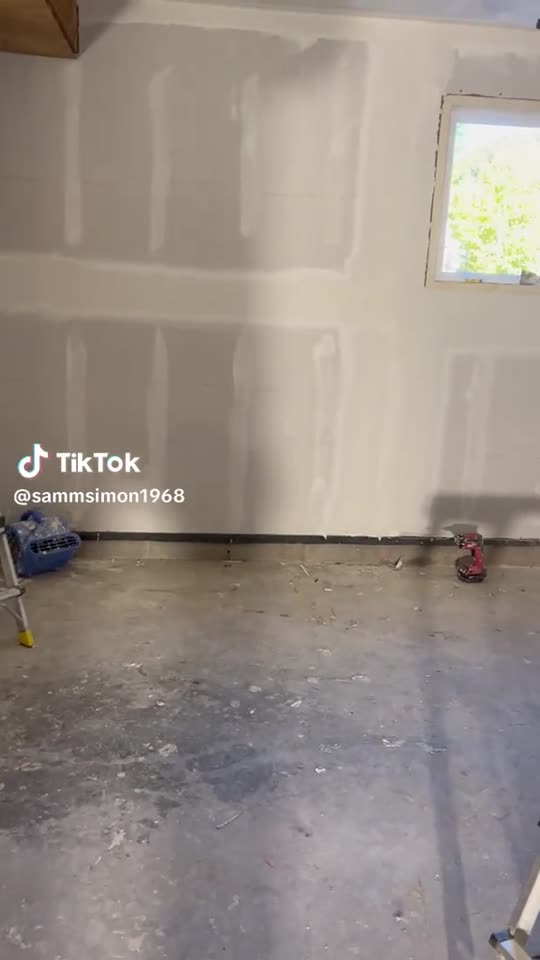
Drywall and surface prep act as transition phases. Once walls close, flexibility drops sharply. Trades double check all penetrations, blocking, and backing before drywall installation. Fixing mistakes later is expensive.
Flooring timing depends on traffic patterns. High traffic areas delay final flooring installation. Trades protect substrates and install finished floors when heavy work is complete. This prevents scratches and replacements.
Cabinet installation sets reference points. Cabinets determine appliance placement, backsplash height, and electrical positioning. Installing cabinets too early exposes them to damage. Installing them too late delays follow on trades.
Tile and backsplash work follow cabinet placement. Trades rely on fixed reference lines. Changing cabinet heights after tile installation creates visible errors. Sequence protects alignment.
Appliance installation is always late stage. Appliances attract damage and dust. Trades install them after finishes cure. Early installation increases replacement risk.
Painting occurs in controlled phases. Prime coats happen early. Final coats wait until heavy work ends. Trades separate prep paint from finish paint.
Trim and detail work require clean environments. Dust ruins finishes. Trades schedule trim after all cutting is complete. Protection matters.
Punch list work closes the sequence. Rushing punch lists creates callbacks. Trades allocate time specifically for corrections. This protects reputation.
Client walkthroughs must align with completion stages. Early walkthroughs create confusion. Trades schedule final reviews when systems function fully.
Documentation finalizes sequencing. As built notes protect future work. Good records prevent disputes.
Conclusion: Profitable renovation projects depend on disciplined sequencing. When trades control order and timing, quality improves, costs stabilize, and projects finish cleanly.