Condominium renovations operate under a different rule set than single family homes. Trades approach condo work knowing that building rules, shared systems, and limited access shape every decision. Ignoring these constraints leads to delays, fines, and forced rework.
The first limitation is building approval. Most condos require submitted drawings, scope descriptions, and schedules before work begins. Trades plan extra time for approvals and avoid ordering materials until permissions are confirmed. Starting early without approval risks shutdowns.
Working hours are strictly enforced. Noise windows are limited, especially for demolition and drilling. Trades sequence loud work efficiently to maximize approved hours. Poor planning wastes valuable work time.
Elevator access affects material movement. Booking service elevators requires coordination. Missed bookings stall deliveries and labor. Trades schedule deliveries around elevator availability to maintain momentum.
Shared plumbing stacks limit layout flexibility. Trades verify wet wall locations before redesigning bathrooms or kitchens. Moving plumbing without approval is often prohibited. Understanding building infrastructure prevents rejected plans.
Electrical capacity varies by building age. Older condos may lack capacity for modern appliances. Trades test panels early to avoid surprise upgrades. Electrical limitations affect appliance selection.
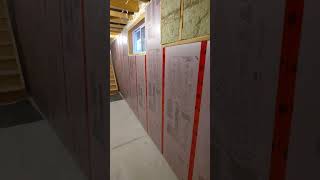
Dust control is critical. Condo buildings demand protection of common areas. Trades use containment systems and negative air where required. Failure leads to complaints and penalties.
Waste removal rules are strict. Dumping debris improperly violates bylaws. Trades arrange approved disposal methods and protect common areas during removal. Material staging space is limited. Units often lack storage. Trades schedule phased deliveries to avoid clutter and damage. Tight spaces demand organization. Fire safety compliance affects materials and methods. Certain assemblies require fire rated components. Trades follow specifications closely to avoid inspection failure.
Insurance and licensing requirements are higher. Condos often demand proof before access. Trades prepare documentation in advance to avoid delays.
Communication with building management is ongoing. Changes must be reported. Trades maintain professional relationships to resolve issues quickly. Noise complaints escalate fast. Trades monitor sound levels and respond immediately. Respect maintains access. Final inspections may involve building representatives. Trades prepare for additional scrutiny beyond municipal codes.
Client education matters. Owners must understand condo limitations. Trades explain what is possible and what is not early.
Conclusion: Condominium renovations succeed when trades respect building constraints. Planning around shared systems, access rules, and approvals protects schedules and profitability.