In an industry often marred by budget overruns and timeline delays, Block Renovation has emerged as a standout brand by treating home improvement like a high-end tech product. Founded on the principle of “productizing” the renovation experience, Block has successfully removed the guesswork from kitchen and bath remodels.
Why They Are Winning
Block’s success lies in its all-in-one platform that merges design, procurement, and construction. By utilizing LiDAR-enabled site surveying and AI-driven cost estimation, they provide homeowners with a rare commodity: fixed pricing . This transparency eliminates the “hidden costs” that typically haunt traditional renovations.
Key Innovations
Vetted Excellence: Only the top 15% of contractors make it into their network, ensuring high-quality craftsmanship.
Streamlined Logistics: Their software handles the “boring” parts—permitting and material ordering—reducing design time by up to 80%.
Design-First Approach: Homeowners work with dedicated designers using pre-curated, high-end aesthetics, making “magazine-ready” homes accessible.
By prioritizing data and transparency, Block Renovation isn’t just fixing houses; it’s fixing the broken relationship between homeowners and contractors.
1 Like
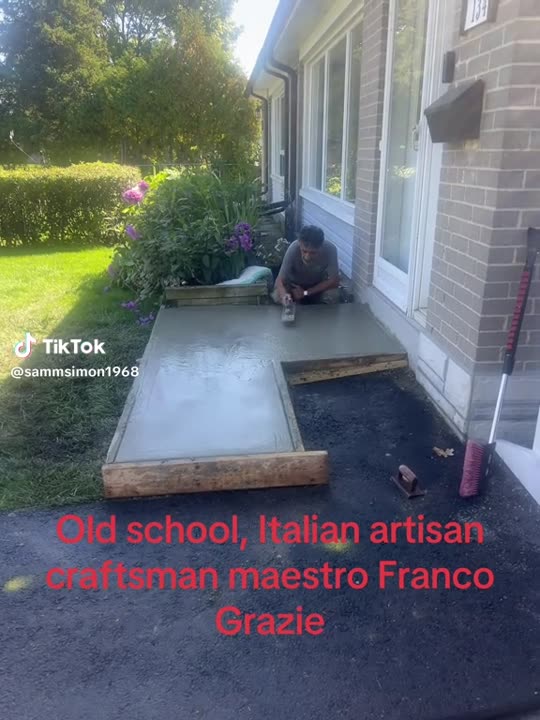
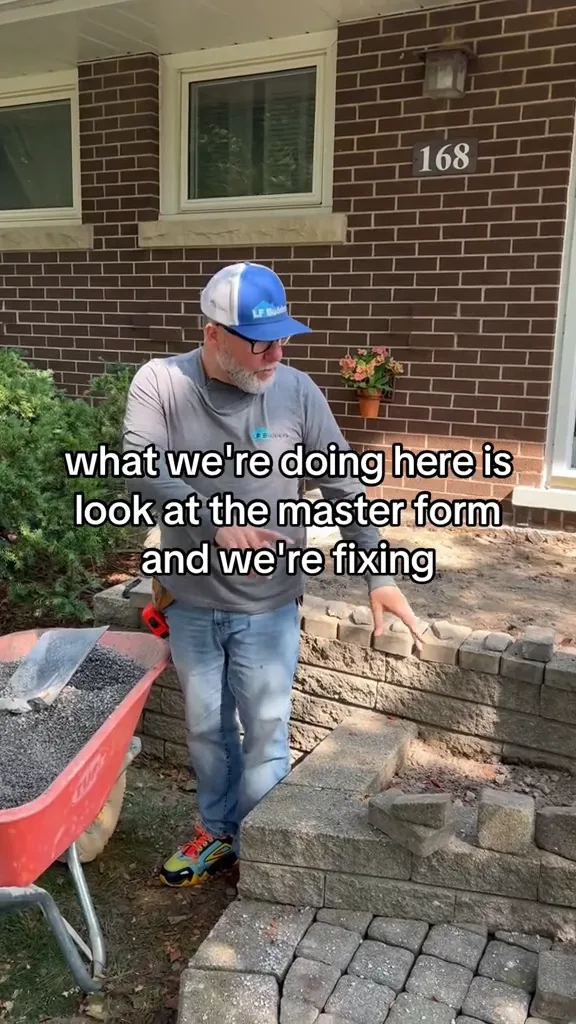
High quality blocks used by good craftsman
The productized pitch is attractive, and I think Block and the companies copying the model have genuinely pushed our industry to get better at scope, pricing, and post-sale service. That part I will not argue with.
A few places I do push back, from the GTA side:
-
Fixed-price on a renovation is only honest if the pre-construction inspection is deep. In older Toronto housing stock (lath-and-plaster, knob-and-tube, undersized mains, clay drain tile) the price never survives open walls without change orders. A brochure fixed price is usually a “base plus known variables” — clients need that spelled out or they feel ambushed.
-
LiDAR and 3D configurators are great for layout, terrible for structure. Point-cloud scans do not tell you that the joist you want to remove is actually carrying a point load from the roof ridge above. A fast in-person walk by a structural-minded lead is still cheaper than the fix.
-
Productized often means pre-selected SKUs. Fine for most homeowners, but it breaks down the moment someone wants a slab of real stone, a specialty paint, or a vendor your platform does not source from. Worth asking upfront what happens then.
-
The real edge, in my opinion, is communication cadence, not software. Clients feel held when they get a same-day answer, not a slick portal.
For homeowners reading this: the best question is not “tech-enabled or not” — it is “who is my actual project manager and how often do I hear from them?”