Replacing an old, chipped bathtub looks easy in home improvement videos. A couple of quick cuts, slide the new one in, connect the drain, and start filling it up. The grim reality is that plumbing lines laid down decades ago rarely align with modern fixtures, turning a simple swap into a full-scale battle against gravity and tight framing.
Wrestling a heavy, awkward tub out of a cramped three-wall alcove is the first major roadblock. Old cast iron or thick acrylic units seem to weld themselves to the wall studs over time. Demolition requires an angled crowbar, a lot of brute force, and careful maneuvering to avoid smashing the surrounding drywall to pieces. One slip of the wrench on an ancient copper pipe can flood the subfloor instantly.
The real test of patience starts during the leveling phase. Bathrooms are almost never perfectly square, and a tub that sits even slightly uneven will cause water to pool in the corners instead of draining properly, leading to permanent mold issues. Getting the unit perfectly level requires mixing a structural mortar bed on the floor, dropping the heavy tub directly into the wet mix, and shimming the edges precisely before the cement hardens.
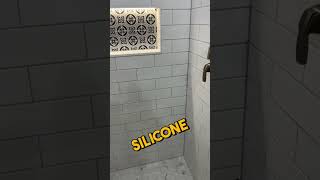
Tackling a bathtub installation requires prioritizing what happens underneath the surface over how the tub looks on top. Double-check every single threaded joint, run a leak test for a full hour before closing up the access panel, and use high-grade silicone sealant along the ledger boards. It is a back-breaking, claustrophobic grind, but filling it up with hot water for the first time without a single drop leaking underneath makes the agony worth it.