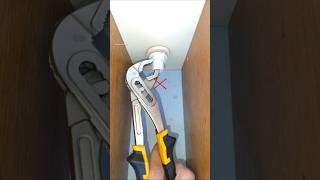
The outdoor faucet on the side of the house has been dripping constantly for weeks, creating a giant puddle right next to the foundation. I bought a standard brass quarter turn spigot from the store, thinking I’d just screw the old one off, wrap the threads, and twist the new one on in five minutes flat. Instead, I spent the whole morning terrified I was going to snap the water line completely inside the wall and flood my basement.
The ancient pipe sticking out of the brickwork was completely seized from years of mineral buildup. Every time I put my pipe wrench on the old faucet and pulled, the copper pipe inside the wall would twist and flex dangerously instead of the threads breaking loose. I knew if that copper line snapped hidden behind the brick, I’d be cutting a massive hole through my interior drywall just to fix it. I had to run to the garage to find a second wrench just to hold the supply line perfectly still while I practically threw my whole weight against the faucet to break the corrosion.
When the old brass threads finally popped free, a bunch of gross green gunk and trapped water sprayed all over my sneakers. Then came the headache of getting the new valve to seal tightly against the old connection point. The first time I turned the main water back on, a steady drip started coming right from the base of the new spigot. I had to shut the house water off all over again, unscrew the faucet, scrape off the old pipe dope, and layer on about eight sheets of heavy duty Teflon tape just to get a solid seal.
The new valve is completely secure on the wall now and the leak is totally stopped. The handle turns smoothly with one finger and the garden hose connects tightly without spray leaking out the back anymore. The water pressure is completely normal and the side of the house is finally dry, so the plumbing hookup is fully done.