When your walls are already open
Most GTA homeowners don’t think about smart home integration until after the drywall goes back up. That’s the expensive version. Retrofitting smart lighting, thermostats, or whole-home audio into finished walls costs roughly two to three times what it would have running conduit and cable while things were open.
If you’re mid-reno and your contractor is asking whether you want to rough-in for smart systems, here’s the breakdown.
Rough-in vs. actually installing
There are two very different levels of commitment, and conflating them is where budget conversations fall apart.
Rough-in only means having your electrician run conduit and Cat6A cabling to key locations while the drywall is off. Cost is typically $400–$900. Nothing becomes operational. What you get: every smart-home upgrade you want in five years turns into a swap-hardware job rather than a tear-open-the-wall job. You’re not locked into any ecosystem — you’re just not locking yourself out of any either.
Active installation from day one is a different conversation. A properly integrated smart home in a Toronto reno commonly runs $15,000–$30,000 for full-house coverage. That reflects electrician hours, hardware, and commissioning. Not a typo.
What actually earns its cost
Smart thermostat (installed, $400–$900): Nest and Ecobee both integrate cleanly with Ontario heat pumps and gas systems. A 20–30% reduction in heating and cooling bills is the standard figure from Canadian energy audits — at current Ontario hydro and gas prices, most installations pay back within two or three heating seasons. This one’s worth doing in any reno.
Cat6A ethernet to key rooms ($800–$2,000 rough-in): Wi-Fi handles casual use fine. It’s not reliable enough if you’re building out any home automation controller or running a dedicated office setup. Pull Cat6A to TV walls, your home office, and anywhere you expect a network hub. The cable and labour costs far less now than reopening finished walls later.
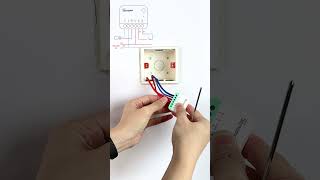
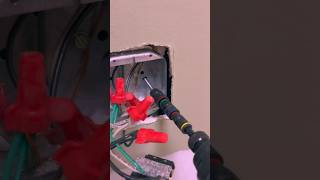
Neutral wire at every switch box: Standard Canadian residential wiring often doesn’t include a neutral at switch locations. Smart dimmers require one. Your electrician can add neutrals in about an hour while the walls are open. The switches themselves can wait — that’s a future purchase. Skipping the rough-in is the most common avoidable mistake in smart home prep.
Smart lock prep at exterior doors: Door rough-ins for deadbolt-integrated smart locks add roughly 30 minutes during a door replacement. Worth folding in if the door is already coming off.
Whole-home audio: Worth pushing back on for most people. The case for in-wall speakers has taken a real hit from portable systems — Sonos and similar products have largely solved the “music anywhere” problem without a wiring commitment. Unless you’re doing a full custom build and you know you’ll actually use it, this is something contractors upsell more than it deserves.
The Ontario rebate angle
The Canada Greener Homes Grant has covered smart thermostats when paired with eligible heat pump or HVAC upgrades. If mechanical work is already in scope, the thermostat can sometimes be fully offset. Some GTA municipalities have also added EV charger and smart panel incentives through 2026 — worth confirming with your contractor before the scope is finalized.
The ecosystem problem
This is where smart home planning usually falls apart. Nest, Apple HomeKit, Amazon Alexa, and Samsung SmartThings have real incompatibilities. Homeowners who rough-in around one hub, then switch ecosystems two years later, often end up replacing hardware they assumed would carry over.
Pick your ecosystem before you rough-in for anything specific. If you’re not ready to make that call yet, conduit and Cat6A are the right move — they’re ecosystem-neutral and don’t expire.
The short version
Minimum worth doing in any reno: neutral wires at switch boxes, Cat6A to primary rooms, smart thermostat. Everything past that is a lifestyle call.
If you’re working through this for a specific project, post your setup below — square footage, mechanical system, what you’re doing with the space. People here have ranged from a $400 neutral-wire rough-in to full Crestron installs, and the practical experience is more useful than any spec sheet.
Helpful posts on this forum earn $RENO — the community token that rewards members for sharing real renovation knowledge. See the Welcome & Getting Started guide for how it works.