The backyard gets pitch black after midnight, so swapping out the old standard exterior bulbs for those heavy duty dual head motion sensor floodlights felt like an obvious upgrade. The plan was to catch any stray animals or delivery drivers walking up the dark side path. Instead, dealing with wiring connections on a tall ladder and dealing with hyper-sensitive digital sensors turned the whole property line into a chaotic, blinking mess.
The actual physical installation was the first major pain. Trying to wire a heavy plastic junction box while balancing on the top rung of a shaky aluminum extension ladder in the evening breeze is incredibly sketchy. You have to match the tiny colored wire nuts together while blindly holding a heavy flashlight between your chin and your shoulder. I dropped the main mounting screw into the thick bushes below twice, meaning I had to climb all the way down and search through the dirt with a magnet before I could even finish the first unit.
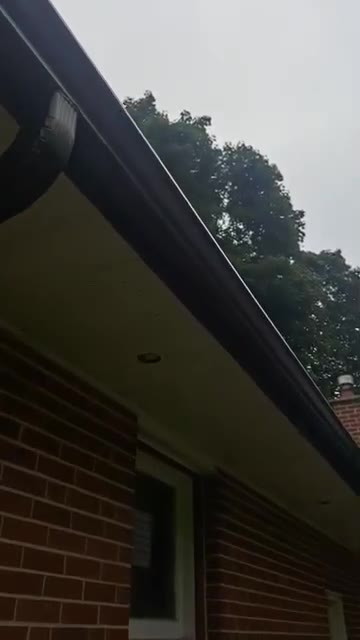
But the real frustration started when the sun went down and the power flipped back on. These new sensor lenses are way too sensitive out of the box. A tiny moth flying past the glass or a slight breeze moving a single branch on the oak tree across the lawn instantly trips the main circuit, blasting 3,000 lumens of blinding white LED light directly into my neighbor’s bedroom window. I spent an hour running back and forth across the grass trying to adjust the tiny dial plates on the bottom of the casing, but the lights just kept cycling on and off every thirty seconds.
The sensors are mostly dialed down now so the yard stays dark unless a human actually walks up the main steps. The side pathway is completely visible at night, but a stray cat running along the top of the fence line still triggers the main garage flood completely at random. The setup works, but looking out the window right now and seeing the bright lights flash on every time a leaf blows across the driveway is getting annoying fast.
 Between balancing on ladders, tiny wiring connections, and overactive sensors, it quickly becomes way more work than expected. At least the pathway is safer now—even if the local cats keep activating the light show.