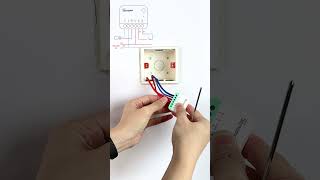
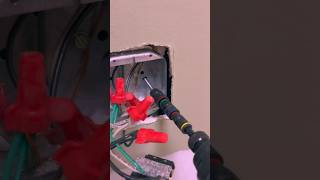
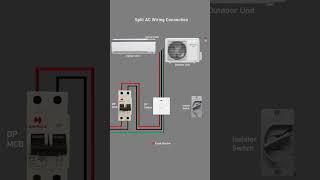
If you’re in the middle of a kitchen reno, a basement finish, or any project that has an electrician already on site with walls open, there’s one thing worth considering before the drywall goes back up: your EV charger circuit.
Most Ontario homeowners find out too late that the right time to run that circuit was when the walls were open. The cost difference is real: a licensed electrician can rough in a 50A, 240V circuit to your garage for $200–$400 while they’re already in your panel and the walls are exposed. The same job after drywall and finishing is done runs $800–$1,500 or more, depending on how far the circuit needs to travel and what obstacles are in the way.
Why the timing matters so much
The cost of EV charging infrastructure isn’t really the charger — it’s the wire run. When a wall is open, cable runs are straightforward. After finishing, every metre of wire needs to either go through finished drywall (patching required) or be surface-mounted in conduit. Labour hours jump.
The Electrical Safety Authority (ESA) in Ontario requires a permit and inspection for any new 240V circuit, including EV chargers. Your electrician pulls the permit and schedules the rough-in inspection before drywall closes — this is the same inspection most renovation projects already require for any new wiring. If you’re doing a basement finish, you’re already going through this process. Adding the EV circuit adds little to the inspection scope.
What you actually need for Level 2 charging
A Level 2 home charger runs on 240V and draws 32–48A depending on the unit. A 50A circuit (protected by a 50A breaker) is the most common spec — it gives you 40A of actual charging capacity (breakers run at 80% of rated load for continuous use), which is plenty for overnight charging on most EVs.
What the circuit involves:
- A 50A, 240V dedicated circuit from your panel to the garage
- ESA permit and rough-in inspection (your electrician schedules both)
- A mounting location for the EVSE — the wall-mounted charging unit itself
The EVSE costs $500–$1,200 depending on brand and smart features. The circuit is where most of the labour is, and that’s why timing matters.
Panel capacity: the question that derails projects
Before any of this works, your panel needs room. A 100A panel on a gas-heated home can usually absorb an EV circuit without trouble. But if you’re adding a heat pump, an induction range, and an EV charger in the same reno cycle, you’re likely looking at a panel upgrade to 200A service.
Panel upgrades in Ontario run $3,000–$5,500 depending on the service entrance work required. If your panel is already crowded, bundling that upgrade with your renovation is the right move — you pay for one ESA inspection instead of two and only one mobilisation of the electrician’s crew.
A quick tell: if your panel is a 100A service with most breaker slots taken, ask your electrician to do a load calculation before roughing in anything new.
If you don’t have an EV yet, run conduit anyway
Most contractors recommend this; most homeowners skip it. Have your electrician install an empty 3/4" conduit from your panel to your garage while walls are open. The conduit itself costs very little during a reno. Pulling wire through it later is a simple job with no wall damage and no patching.
The math: roughly $30–$80 in conduit now versus $800–$1,200 to fish wire through finished walls in three years.
Ontario rebates for related electrical work
If you’re running circuits as part of a broader energy project, Ontario’s Home Renovation Savings Program covers cold-climate heat pumps (up to $7,500), ground source systems (up to $12,000), and heat pump water heaters. Those appliances also need dedicated 240V circuits — another reason to bundle electrical work during your open-wall window rather than doing it in separate trips.
The Home Renovation Savings Program is confirmed active through November 2026, but these programs close without much notice when funding runs out.
What to ask your electrician before the walls close
These are fast questions — any licensed electrician should be able to answer on site:
- Can you rough in a 50A, 240V circuit to my garage while we’re already in the panel?
- What is my current panel capacity and do I need to consider an upgrade?
- If I’m not ready for the charger yet, can you run conduit and cap it?
- Does the EV circuit fold into the existing ESA permit, or does it require a separate one?
Getting answers before drywall day costs nothing. Getting answers after costs significantly more.
If this topic came up during your own renovation, share what your electrician quoted and what approach you went with — those real numbers help other homeowners plan. The home.renovation.reviews community has a lot of GTA tradespeople and homeowners comparing notes on exactly this kind of project.
Helpful contributions on this forum earn $RENO points toward tier rewards. Full details in the Welcome & Start Here topic.