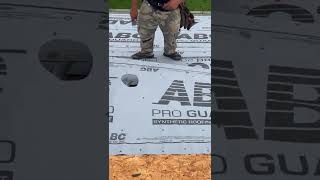
Planning a roof replacement in Toronto? Here is what matters most.
When to replace: Architectural shingles typically last 25-30 years in Toronto’s climate. Get it inspected at 20 years. Active leaks, interior staining, or visible granule loss in the eavestroughs = act now.
What to budget:
- Architectural shingles (most common): $8,000 – $18,000 for a standard 1,500 sq ft home
- Metal roofing: $15,000 – $35,000 — 40-50 year lifespan
- Flat roof (TPO or torch-on): $8,000 – $20,000
Biggest red flags:
- Storm chasers who appear right after a hail event
- Request for full payment upfront
- No WSIB certificate
- Same-day pressure tactics
- No written warranty on labour
The full guide is at https://telegra.ph/Roofing-Replacement-in-Toronto-Costs-Materials--Finding-Trusted-Roofers-2026-04-25
Share your own roofing experience below — what did you pay, who did you use, and would you recommend them?
GTA Roofing: What Homeowners Need to Know Before Hiring
The roofing decision is one of the more time-sensitive ones homeowners face — a failing roof cannot be deferred the way a kitchen update can. But it is also one of the categories with the highest density of predatory practices. Getting the basics right before you call anyone will save you both money and stress.
Permit requirements in Toronto
Most residential shingle-over-shingle re-roofs do not require a permit in the City of Toronto, but structural work — replacing sheathing, altering rafters, changing roofline geometry — requires a permit and inspection. When in doubt, ask your contractor to confirm in writing. A contractor who tells you “we never pull permits for roofs” without explaining why should be asked to explain the City’s by-law in detail.
What to ask a roofing contractor before signing
- What WSIB certificate number will cover your workers on my property?
- What labour warranty do you provide, and how do you handle callbacks?
- What shingle manufacturer warranty does this installation qualify for? (Many require a certified installer to honour the full 30- or 50-year material warranty.)
- Will you be doing this work or subcontracting it?
- Can I keep a 10% holdback until the final inspection is done?
More from home.renovation.reviews
- Related: Spring Reno in Toronto: When to Book and What It Costs
- Related: How to Vet a Renovation Contractor: Complete Checklist for GTA Homeowners
- LF Builders blog: Roofing and Exterior Renovation Guides for the GTA
- LF Builders: lfbuilders.ca — 50+ years of exterior work across the Greater Toronto Area including roofing, aluminum, and waterproofing
- Support Samm Simon’s 251 km charity run for cancer research: sammsimon.ca