One room doing three jobs: why GTA homeowners are rethinking every square foot in 2026
I have been in residential renovation for over fifty years in the Greater Toronto area and the request I keep hearing this spring is one I did not hear nearly as often ten years ago. People are not walking in asking for a new kitchen or a new bathroom. They are walking in asking: “How do we make this room do more?”
It makes sense when you look at what has happened to housing costs in the GTA. Families are staying in their homes longer. Adult kids are moving back. People are running businesses out of spare rooms. The days of dedicating 200 square feet to a dining room that gets used four times a year are over for a lot of households.
Here is what we are seeing on the ground right now.
Home offices that convert to guest rooms
This is probably the most common request we get in 2026. The client works from home three days a week and needs a proper desk setup, privacy, and good lighting. But they also want parents or in-laws to be able to stay over without turning the house upside down. The solution is almost always a built-in Murphy bed with flanking shelving that also serves as the desk surround. Done right, you flip the bed down in about 60 seconds and the space transforms completely.
For this to work well: the desk height, monitor arm placements, and cable management all need to be designed with the Murphy bed open AND closed in mind. We also spec solid-core pocket doors or barn doors instead of swing doors to maximize usable floor space.
Basements that earn their keep
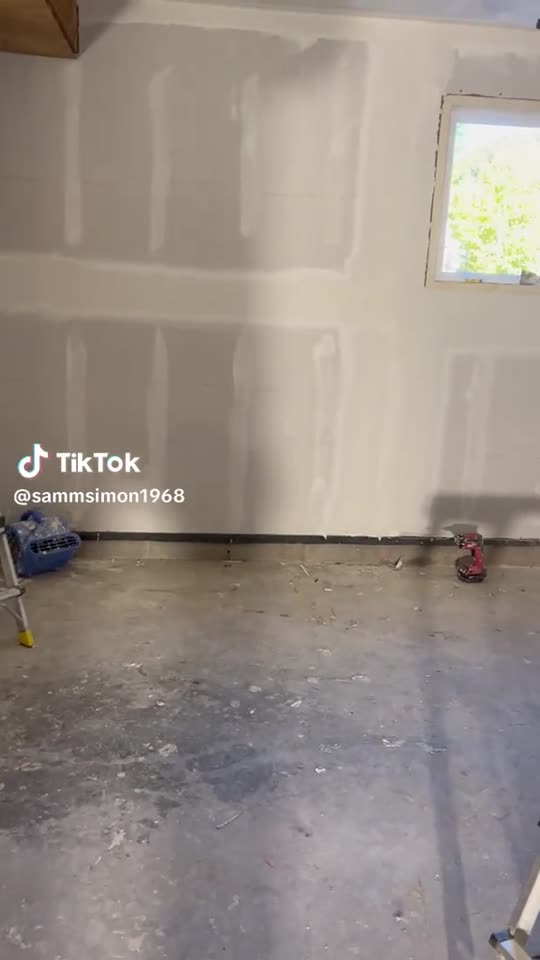
Toronto homeowners are finally treating their basements like legitimate living space rather than storage overflow. We are finishing them as combinations: part gym, part media room, part home office — with a wet bar roughed in for entertaining. The key is zoning with lighting and furniture placement rather than walls, which keeps the space feeling open and allows it to shift function as the family’s needs change.
Egress windows are worth doing at the same time if you are finishing a basement. Even if you are not adding a legal suite today, adding an egress window now makes it possible later without opening up the whole project again.
Kitchen islands that do everything
The kitchen island is not new, but what people are asking it to do has expanded. We are building them now as: prep surface + breakfast bar + homework station + charging hub + wine storage. The homework station end with its own overhead pendant and USB/outlet strip has been in nearly every island we have built in the past year.
A practical note on budget
Multi-functional spaces are not necessarily more expensive to build — but they do require more upfront planning. A Murphy bed that is bolted to a drywall wall that has no backing is a warranty nightmare. Get the planning right and the execution is straightforward.
More from home.renovation.reviews
- Related: What Does $100K Get You in a GTA Renovation in 2026?
- Related: Adding a Legal Second Suite to Your GTA Home in 2026
- LF Builders — 50 years of GTA renovation: lfbuilders.ca
- In-depth guides: blog.lfbuilders.ca
- Community cause: Samm Simon is running 251 km for cancer research — sammsimon.ca