Spring 2026 is shaping up to be an expensive season to build. Framing lumber prices jumped roughly 5% in Q2 after two straight quarters of softening, and tariff uncertainty on steel, HVAC components, and engineered wood is keeping contractors and suppliers from committing to locked-in quotes. If you have been sitting on a reno project waiting for prices to settle, this post is for you.
What the numbers actually look like
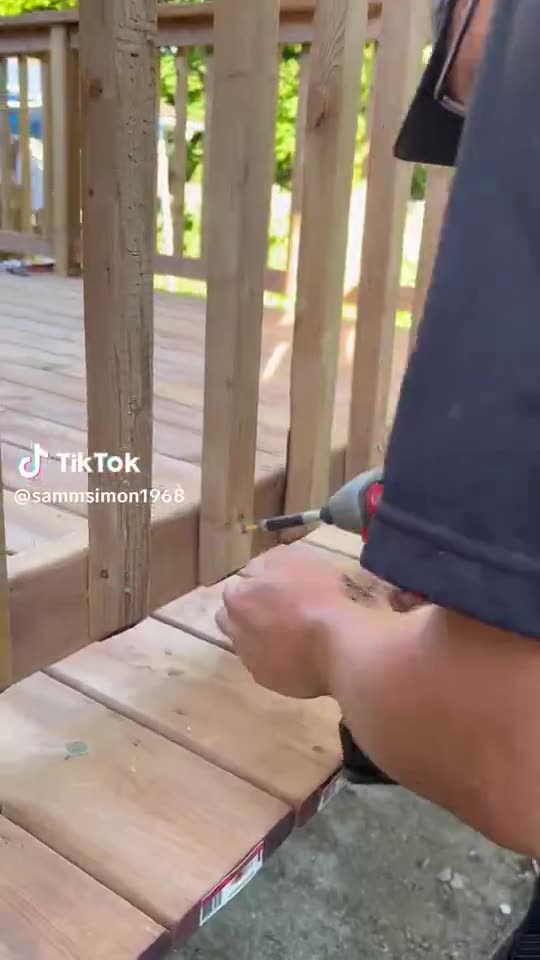
Framing lumber is currently trading around $916 per MBF (thousand board feet) — up from where it sat at the start of the year. That is not catastrophic, but on a mid-size addition or a deck build, it adds up fast. A 400 sq/ft deck framed with treated lumber can see a $800–$1,500 swing on materials alone between a February quote and a May quote.
Concrete and drywall costs have stayed relatively stable, but anything touching steel (posts, beam pockets, lintels) or imported fixtures has been unpredictable. Contractors I have spoken with are building 8–12% contingencies into quotes right now — which is higher than the usual 5%.
What this means if you are hiring trades this spring
A few practical notes from 50+ years of watching these cycles:
Lock your lumber quote early. If a contractor gives you a materials quote today, ask how long it is good for. Some are only holding prices 14–21 days right now. Get it in writing.
Be skeptical of suspiciously low bids. With tariff uncertainty, a contractor who bids tight on materials either knows something other trades do not, or they are planning to come back mid-job with a change order. Ask them specifically how they are handling lumber escalation.
Engineered lumber for beams and floor systems. LVL and glulam products have seen less price volatility than dimensional softwood. On any project with structural beams or engineered floor systems, ask whether substituting makes sense for your scope.
Phase longer projects if you can. If you are planning a multi-trade project — say a basement finish plus a bathroom plus a deck — consider sequencing the structural work now while you lock in quotes, and scheduling finishing trades for late summer when material pressure may ease.
What could change the picture
Tariff policy is unpredictable. If US-Canada trade tension escalates further, prices go higher. If new trade agreements emerge, prices may stabilize or fall. Building your contingency in now means you benefit from any softening and are protected if they do not.
More from home.renovation.reviews
- Related: Lumber prices are rising fast — what GTA homeowners need to know before committing
- Related: Are your spring renovation quotes already out of date?
- LF Builders — 50+ years, 30,000+ projects: lfbuilders.ca
- In-depth guides: blog.lfbuilders.ca
- Community cause: Samm Simon is running 251 km for cancer research — sammsimon.ca