Spring is the worst time to ignore a wet basement. The water table rises after snowmelt and April rains, and any crack or gap in your foundation wall starts showing you what was already there. We’ve been fixing this across the GTA for 50 years – here’s what the repair options look like in 2026.
Interior vs. exterior waterproofing: two different problems
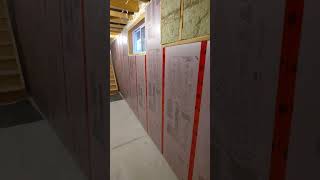
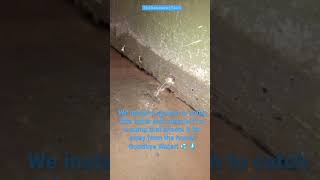
Interior waterproofing manages water after it enters – it doesn’t stop it at the wall. The system intercepts groundwater at the footing, routes it through perforated weeping tile, and pumps it out through a sump. Interior works well for chronic seepage through cracks or porous concrete block. The work is done from inside, no excavation.
Exterior waterproofing stops water at the wall. Contractors dig down to the footing, clean the foundation surface, apply a membrane (typically rubber-modified asphalt or a dimple mat system), and backfill with drainage gravel. This also gives you access to the weeping tile – in GTA homes from the 1950s to 1980s, it’s usually clay or orangeburg pipe that has collapsed and needs replacement.
Which method is right depends on what’s driving the water. Seepage through porous walls or hairline cracks? Interior systems handle that at lower cost and with less disruption. Failed weeping tile, hydrostatic pressure, or water pooling against the foundation from a bad grade slope? Exterior is the right fix. Interior work in those situations handles the water rather than stopping it at the source.
2026 GTA price ranges
Interior waterproofing runs $80-$180 per linear foot of treated perimeter. A typical GTA semi-detached has 120-160 linear feet of perimeter – a full interior system lands between $9,600 and $28,800.
Exterior waterproofing runs $100-$350 per linear foot. Full-perimeter exterior on the same house is $12,000-$56,000, but most GTA jobs only treat the one or two problem walls. A single exterior wall at 30-40 ft runs $3,000-$14,000.
Standalone crack injection (polyurethane or epoxy): $400-$800 per crack. Right call when you’ve got isolated seepage at a structural crack and the weeping tile is still doing its job.
The Toronto rebate just got bigger
The City of Toronto raised its basement flooding protection subsidy maximum from $3,400 to $6,650 as of May 1, 2026. Peel and Halton run separate programs. Eligible work under Toronto’s program includes sump pump installation, backwater valve installation, and weeping tile repair or replacement.
Not every job qualifies – the work has to hit specific eligible measures and the contractor must be licensed. Some contractors haven’t walked through the city application before, and it shows. Ask about it upfront. Anyone who’s done it before will say so without hesitation.
What a complete quote covers
A waterproofing quote worth reading specifies where the water is entering and by what mechanism, what drainage system goes in and how it’s installed, the sump pump spec and what backup option is included (battery or water-powered backup matters when GTA storms knock out power), warranty terms and whether they transfer to a new owner, and whether the work triggers an OBC permit.
That last one is worth pushing on. Contractors who skip the permit conversation usually skip the permit – in waterproofing, that surfaces when you sell.
The cheapest quote is rarely the one that covers all of the above. A failed interior system that has to be torn out and redone costs more than getting it right the first time.
What are you seeing?
Describe the problem below – white efflorescence on the walls, water on the floor after rain, a damp smell that comes and goes. The specifics change the diagnosis.
Top contributors here earn $RENO. Check the leaderboard to see where you stand, and the welcome guide explains how the reward system works.