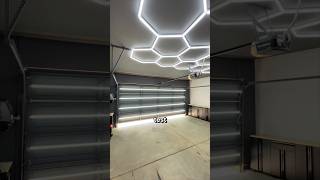
As electric vehicles rapidly move from early adoption to mainstream luxury, home EV charging infrastructure has become one of the most influential drivers of modern renovation decisions. What was once a simple parking space is now evolving into an energy command center—the electric garage.
Day 6 explores how EV charging is reshaping home layouts, electrical systems, and smart energy strategies, and why forward-thinking renovators are designing homes around mobility as much as living space.
Why EV Charging Is a Renovation Priority
Electric vehicles are no longer niche. Premium brands, fleet operators, and even entry-level manufacturers are electrifying at scale. As adoption grows, homeowners expect fast, safe, and intelligent charging at home.
Key reasons EV charging is now essential:
-
Public charging remains inconsistent
-
Home charging is cheaper and more reliable
-
Smart charging protects the home’s electrical system
-
EV readiness increases property value
For future-proof renovations, EV charging is as important as plumbing or HVAC.
Levels of Home EV Charging Explained
Understanding charging levels is crucial for renovation planning:
Level 1 (120V)
-
Uses standard outlets
-
Extremely slow
-
Not suitable for modern EV lifestyles
Level 2 (240V)
-
The renovation standard
-
Charges most EVs overnight
-
Requires dedicated circuits and upgraded panels
Level 3 (DC Fast Charging)
-
Rare in residential settings
-
Requires industrial-level power
-
Not currently viable for most homes
For most renovations, Level 2 smart chargers deliver the best balance of speed, safety, and cost.
Smart EV Chargers: More Than Power Delivery
Modern EV chargers are no longer “dumb” wall boxes. They are intelligent energy devices that integrate with the entire home.
Smart EV chargers can:
-
Schedule charging during off-peak hours
-
Sync with solar production
-
Communicate with home batteries
-
Limit load to prevent breaker trips
-
Track energy usage and costs
This transforms EV charging from a power drain into a strategic energy asset.
The Electric Garage Concept
The electric garage is emerging as a multi-functional energy hub, housing:
-
EV chargers
-
Home battery systems
-
Inverters
-
Smart electrical panels
-
Energy monitoring displays
Renovators are now designing garages with:
-
Improved ventilation
-
Fire-rated walls
-
Dedicated energy zones
-
Cable management systems
-
Clean, minimalist finishes
In luxury renovations, the garage is no longer hidden—it’s curated.
EVs as Energy Storage: Vehicle-to-Home (V2H)
One of the most exciting developments in renovation-ready infrastructure is vehicle-to-home technology.
V2H allows:
-
EVs to power the home during outages
-
Energy stored in vehicles to offset peak pricing
-
Greater flexibility in home energy management
While still emerging, homes renovated today can be V2H-ready with the right wiring and inverter choices.
Electrical Panel & Infrastructure Upgrades
Adding EV charging often exposes the limitations of older homes.
Common renovation upgrades include:
-
Panel capacity increases
-
Smart load management systems
-
Three-phase power (where available)
-
Surge protection
-
Grounding enhancements
Smart panels dynamically allocate power, ensuring EV charging doesn’t compromise comfort or safety.
Sustainability & Carbon Impact
When paired with:
-
Solar PV
-
Home batteries
-
Smart energy management
EV charging becomes a zero-emission mobility solution.
Charging directly from solar energy significantly reduces the carbon footprint of transportation—making the home part of a broader climate solution.
Real Estate & Market Appeal
Homes with built-in EV charging:
-
Sell faster
-
Command higher prices
-
Appeal to younger, tech-driven buyers
-
Meet evolving building codes and incentives
In premium markets, EV-ready garages are becoming a baseline expectation, not an upgrade.
Key Design Considerations for Renovators
Before installing EV infrastructure, consider:
-
Vehicle types (current and future)
-
Charger power rating (7kW–22kW)
-
Solar and battery integration
-
Cable reach and mounting location
-
Outdoor vs indoor charging setups
Designing for flexibility ensures long-term relevance.
The Future of Home Mobility
The next wave of renovation innovation will include:
-
Wireless EV charging pads
-
AI-driven charging optimization
-
Shared residential charging networks
-
Integration with autonomous vehicles
Homes that prepare today will remain compatible with tomorrow’s mobility ecosystem.