Hardscape failures often trace back to avoidable installation mistakes. Cracking and settling are symptoms of deeper issues beneath the surface. Understanding common errors helps prevent costly repairs and dissatisfied clients.
One frequent mistake is inadequate excavation depth. Shallow excavation limits base thickness and reduces load support. Surfaces settle unevenly when the base cannot distribute weight properly.
Poor subgrade preparation is another issue. Leaving organic material or soft soil beneath the base allows movement. Over time, these areas compress and create depressions in the finished surface.
Insufficient compaction causes widespread failure. Compacting only the surface layer leaves lower material loose. Proper compaction must occur in layers to achieve uniform density.
Using incorrect base material leads to instability. Rounded gravel shifts under load and does not lock together. Crushed stone provides interlocking strength and resists movement.
Ignoring drainage planning accelerates damage. Trapped water weakens the base and causes erosion. Drainage must be designed before installation, not after problems appear.
Improper slope results in water pooling. Flat surfaces allow moisture infiltration and freeze damage. Correct pitch ensures water moves away from structures.
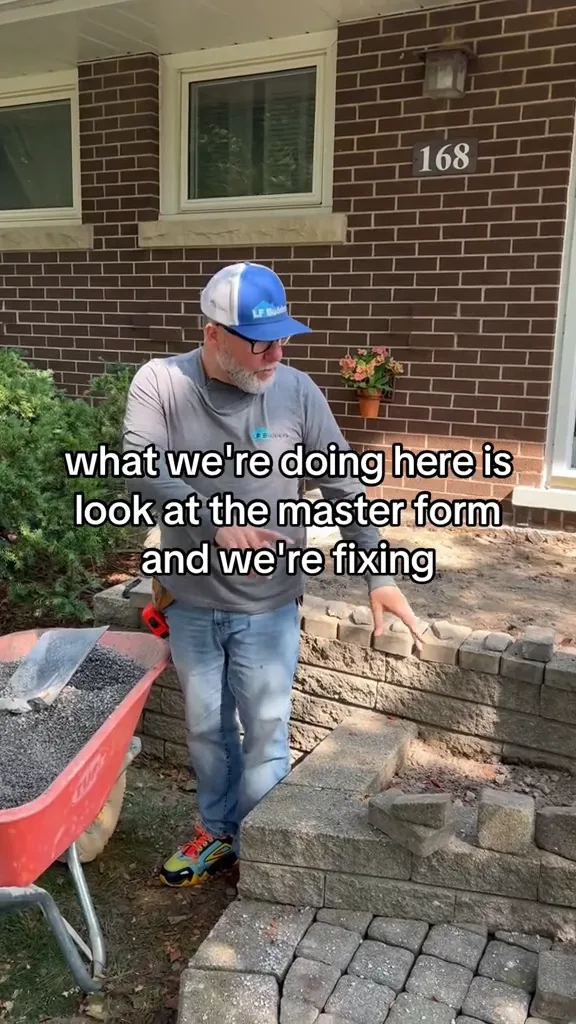
Skipping edge restraints allows spreading. Without containment, pavers migrate outward. This causes joint widening and surface collapse.
Rushing joint filling creates voids. Incomplete joint sand leads to shifting and rocking. Proper joint filling stabilizes the surface.
Installing pavers too tightly restricts movement. Thermal expansion causes cracking when joints lack flexibility. Controlled spacing absorbs movement.
Improper cutting weakens edges. Rough cuts create stress points. Clean cuts maintain strength and appearance.
Failure to follow manufacturer guidelines voids warranties. Installation standards exist for a reason. Deviating increases risk.
Lack of quality checks allows small issues to grow. Early detection prevents major failure.
Environmental conditions are often ignored. Installing during extreme temperatures affects compaction and curing.
Overlooking maintenance guidance shortens lifespan. Owners must understand care requirements. Most failures result from multiple small mistakes rather than one major error. Attention to detail prevents compounded issues.
Conclusion: Avoiding common installation mistakes protects hardscape surfaces from cracking and settling. Proper preparation, materials, and technique ensure long term stability.