Important Disclaimer 
Electrical wiring in a home involves high voltages and can lead to fires, shocks, or fatalities if done incorrectly. It’s strongly recommended to hire a licensed electrician for any wiring work, as it must comply with local building codes (like the National Electrical Code in the US).
DIY attempts often result in costly fixes, failed inspections, or insurance issues.

The following are common mistakes based on expert advice treat this as educational, not a how-to guide.
Key Mistakes to Avoid
1.Not Turning Off Power and Verifying It’s Safe: Jumping straight into work without flipping the breaker and using a voltage tester (like a multimeter) to confirm no live current is present. This is a leading cause of electrocution.
2.Using the Wrong Wire Size or Gauge: Selecting wires that are too thin for the electrical load, which can overheat and start fires. Always match wire gauge to the circuit’s amperage rating (e.g., 14-gauge for 15-amp circuits).
3.Overloading Circuits: Adding too many outlets, lights, or appliances to a single circuit, exceeding its capacity (typically 15-20 amps). This leads to tripped breakers or melted wires.
4.Improper Grounding: Skipping or incorrectly installing ground wires, which protect against shocks by providing a safe path for fault current. Missing grounds are a frequent inspection fail.
5.Damaging Cable Sheathing: Nicking or stripping the protective jacket on non-metallic (NM) sheathed cable during installation, exposing wires to damage or shorts.
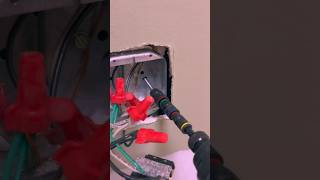
6.Not Using Junction Boxes for Splices: Making wire connections outside of approved boxes, which hides potential faults and violates codes. All splices must be accessible and enclosed.
7.Mixing High- and Low-Voltage Wires: Running power lines alongside data cables (like Ethernet or coax) in the same conduit or bundle, causing interference or safety hazards.
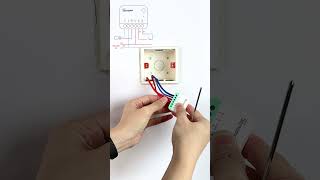
8.Loose Wire Connections: Failing to tighten terminals on outlets, switches, or breakers properly, leading to arcing, overheating, and fire risks.
9.Running Wires Too Close to Plumbing or Other Hazards: Placing electrical lines near water pipes, HVAC ducts, or areas prone to nails/screws, increasing the risk of shorts or leaks affecting wiring.
10.Ignoring Local Codes and Permits: Not checking or following regulations, such as proper breaker sizing or GFCI/AFCI requirements in wet areas. This can result in unsafe installations and legal issues.
11.Poor Planning of Layout: Not mapping out circuits, outlets, and switches in advance, leading to inefficient setups or future rework (e.g., not enough outlets in a room).
12.Incorrect Outlet or Switch Installation: Reversing hot/neutral wires, or using the wrong type (e.g., non-tamper-resistant in kid-accessible areas), which can cause malfunctions or dangers.

By avoiding these, you can help ensure a safer, more reliable electrical system.
If you’re overseeing a project, consult resources like the NEC handbook or local authorities for specifics.
Remember, when in doubt, call a pro it’s not worth the risk.