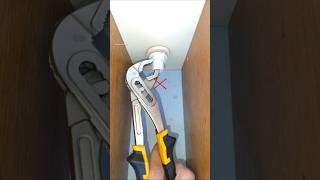
The spring latch on the central vacuum pipe plate in my hallway completely snapped off this morning, leaving the little flap door hanging wide open. When that valve stays open, the entire house system loses its suction pressure, meaning the vacuum upstairs barely picks up a single crumb. I bought a standard white replacement inlet valve plate at the store, figuring it would take about two seconds to just screw the new plastic flap over the hole. Instead, dealing with tiny internal wiring contacts turned the whole wall into a massive headache.
The main issue right away was that the previous installer had wrapped the low voltage wires around the pipe casing with zero extra slack. The second I backed out the old wall screws, the two tiny copper strands snapped right at the terminal and nearly fell directly down inside the dark drywall cavity where I could never reach them. I had to spend twenty minutes hunched over the baseboard with needle nose pliers, carefully fishing the slippery wire ends back out through the narrow hole while trying not to slice my fingers on the sharp metal pipe edge.
Then came the real nightmare of getting the new plastic casing to sit flush against the hallway wall. The original drywall cutout was bored completely crooked, so every time I tried to tighten the new mounting bolts, the valve plate would tilt sideways and leak air around the borders. I had to use a drywall saw to manually shave down a tiny quarter-inch section of the interior wall plaster until the rubber gasket on the back of the inlet would actually compress tightly against the pipe opening.
The new vacuum plate is bolted down flat against the hallway wall now and the spring door snaps shut completely airtight when you pull the hose out. The internal low voltage contact pins trigger the main motor downstairs instantly the second you slide the copper hose cuff into the slot, and the suction pressure is completely back to normal throughout the house. The vacuum wall inlet is fully repaired.