Basement Waterproofing Cost in the GTA: What to Expect in 2026
Water in the basement is one of those problems homeowners keep delaying until they can’t. Then they get three quotes with a $20,000 spread between them and no idea why. This guide breaks down where the money actually goes, what drives the difference between a $4,000 job and a $30,000 one, and how to know which solution your house actually needs.
Interior vs. exterior: the decision that sets the price
The biggest cost driver isn’t the size of your basement — it’s whether the work happens from the inside or the outside.
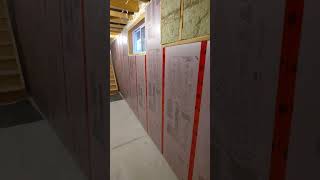
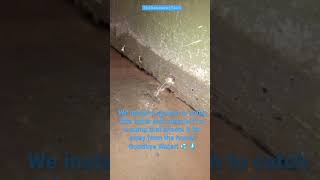
Interior waterproofing manages water after it enters. A contractor installs a drainage channel along the base of your foundation walls, connects it to a sump pit, and the sump pump handles the rest. It doesn’t stop water from getting in — it intercepts it before it spreads across your floor. Cost range in the GTA: $80 to $180 per linear foot, with most full-perimeter jobs landing between $3,000 and $10,000.
Exterior waterproofing stops water before it reaches your foundation. Workers excavate around the perimeter of the house, apply a membrane to the foundation wall, install a drainage layer and weeping tile, and backfill. This is the more permanent solution for serious water intrusion. Cost range: $100 to $350 per linear foot, with full-perimeter jobs typically running $15,000 to $35,000 depending on home size, soil conditions, and how deep the foundation sits.
The honest answer to which you need depends on where the water is coming from. A contractor who doesn’t ask about where the moisture appears — floor, walls, cove joint — before recommending a solution is usually trying to sell you the solution they already have equipment for.
What you are actually paying for: the line items
Breaking down a typical waterproofing quote:
Sump pump installation runs $700 to $4,500 depending on whether you’re adding a new pit or replacing an existing unit. A battery backup on top of that adds $300 to $800. Worth it in the GTA — we lose power during exactly the kinds of storms that flood basements.
Foundation crack injection costs $1,500 to $3,200 per crack for a polyurethane or epoxy repair. This is appropriate for isolated cracks leaking under hydrostatic pressure, not for widespread moisture through block or poured walls.
French drain and weeping tile replacement on the interior adds $50 to $100 per linear foot on top of the drainage channel installation. Many older GTA homes have collapsed or silted-up weeping tile from the 1970s and 1980s — when the exterior tile fails, interior drainage becomes the practical fix.
Permit costs in Toronto proper are generally $200 to $600 for interior work. Exterior excavation may trigger additional requirements depending on proximity to property lines.
Toronto rebates that most contractors do not mention
The City of Toronto offers up to $3,400 in subsidies for backwater valve installation and sump pump work through the Basement Flooding Protection Subsidy Program. The work needs to be done by a licensed plumber and inspected, but if you’re already getting waterproofing done, combining it with a backwater valve installation during the same project is the cleanest way to claim the subsidy.
This rebate does not apply to full exterior waterproofing, but it applies to the interior drainage and sump pump components regardless of what else is happening. If your contractor has not mentioned it, ask directly.
The questions to ask before you sign anything
- Is the moisture coming from the walls (lateral pressure) or the floor (hydrostatic uplift)? These have different solutions.
- Is the proposed drainage system gravity-fed or pump-dependent? Pump-dependent systems need reliable backup power.
- What is the warranty on the membrane and drainage system, and does it transfer if you sell the house?
- Is your company licensed under Ontario’s consumer protection regulations and registered with the HCRA for this type of work?
- Can you walk me through where exactly the water entry points are?
A contractor who gives you a quote without walking the space and identifying entry points is not pricing your actual problem.
GTA-specific factors that affect price
Soil type matters more than most quotes acknowledge. The clay-heavy soil around much of the GTA retains water against foundation walls longer than sandy or loam soils. That extra hydrostatic load pushes more water against walls and increases the pressure on weeping tile systems.
Foundation age and type is the other variable. Poured concrete foundations (common post-1980) tend to crack vertically and laterally but respond well to injection. Block foundations (common 1950s-1970s) are porous by nature and usually require drainage solutions rather than crack injection.
Finished vs. unfinished basement affects cost dramatically on the interior side. If your contractor needs to demolish and re-finish the lower courses of drywall to install drainage channel, add 20 to 40% to the base quote.
Bottom line numbers for 2026 GTA
| Scope | Typical cost |
|---|---|
| Interior drainage (full perimeter, 1,200 sq ft home) | $4,500 to $8,500 |
| Exterior waterproofing (one wall, accessible) | $6,000 to $12,000 |
| Exterior waterproofing (full perimeter) | $18,000 to $35,000 |
| Sump pump replacement | $900 to $2,200 |
| Foundation crack injection (single crack) | $1,500 to $3,200 |
| Weeping tile replacement (interior) | $4,000 to $9,000 |
Get at least three quotes. Ask each contractor to show you the moisture entry points on-site before they give a number. The quotes that come without that walkthrough tend to be the ones that surprise you after the work is done.
If you have dealt with basement water in the GTA and want to share what your job actually cost, what worked, or what you wish you had known — post below. Top contributors in this thread earn $RENO through the quest system. Track your earnings on the leaderboard and get started here: Welcome to $RENO — Quests, Rewards, Leaderboard